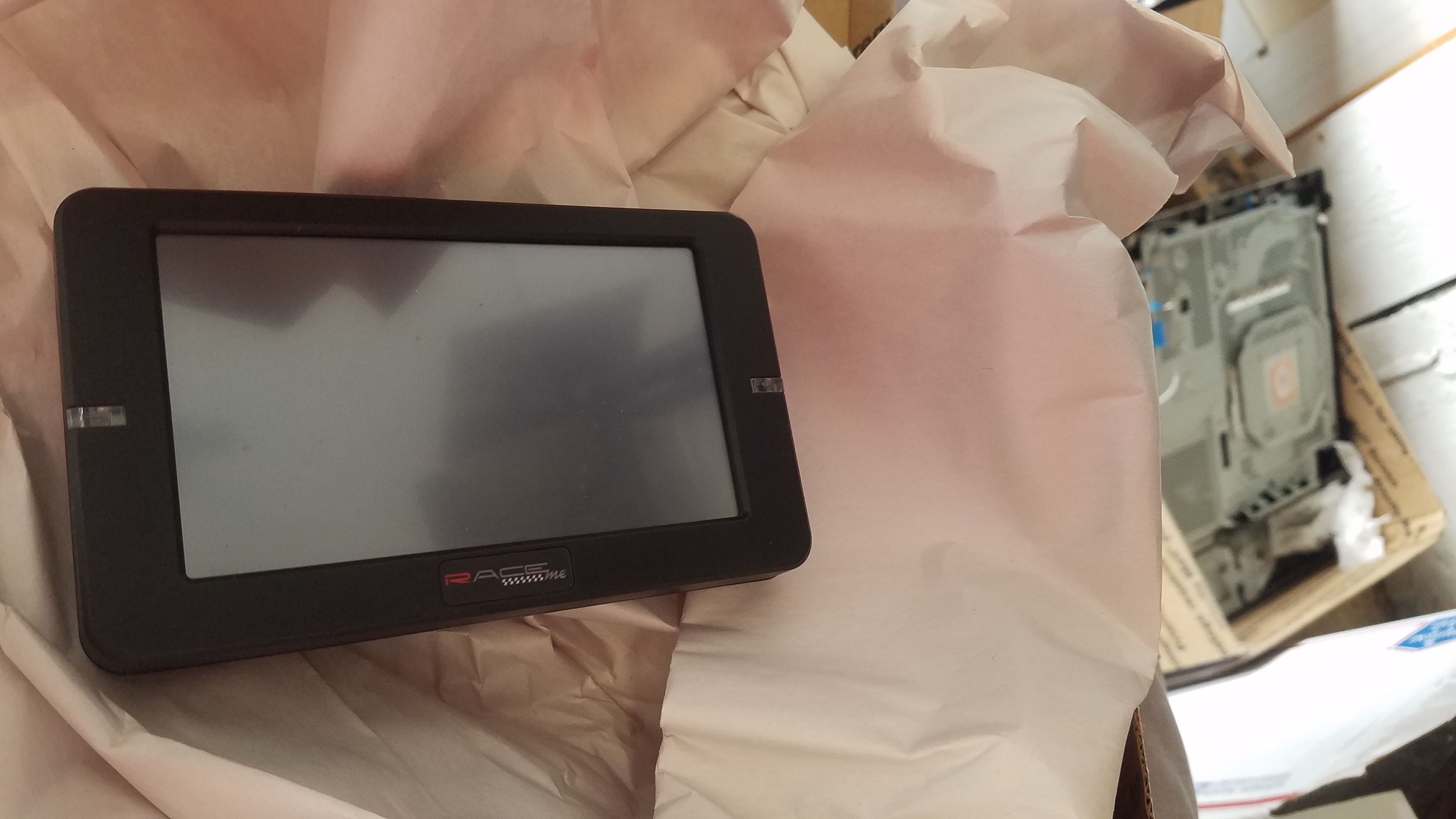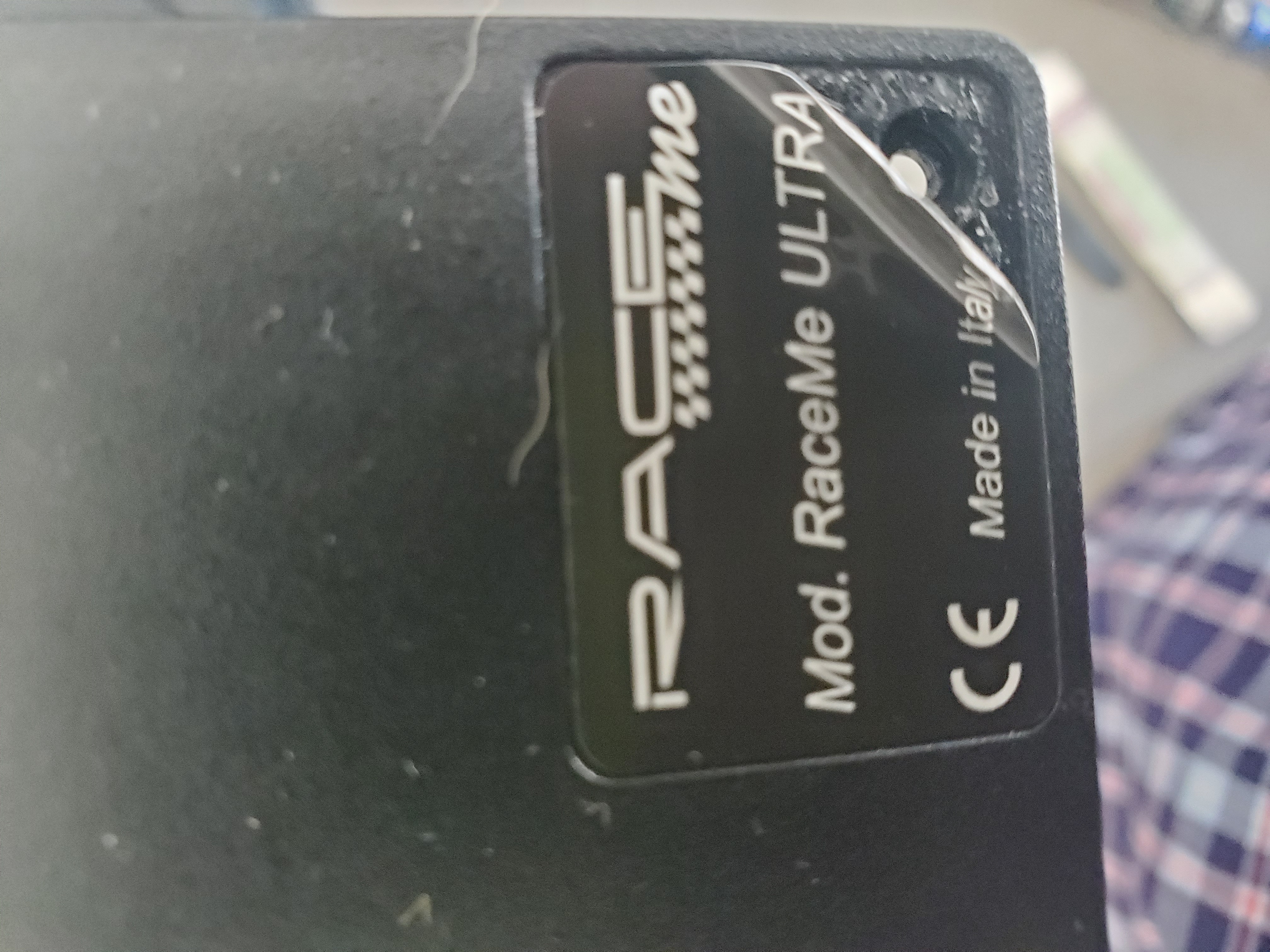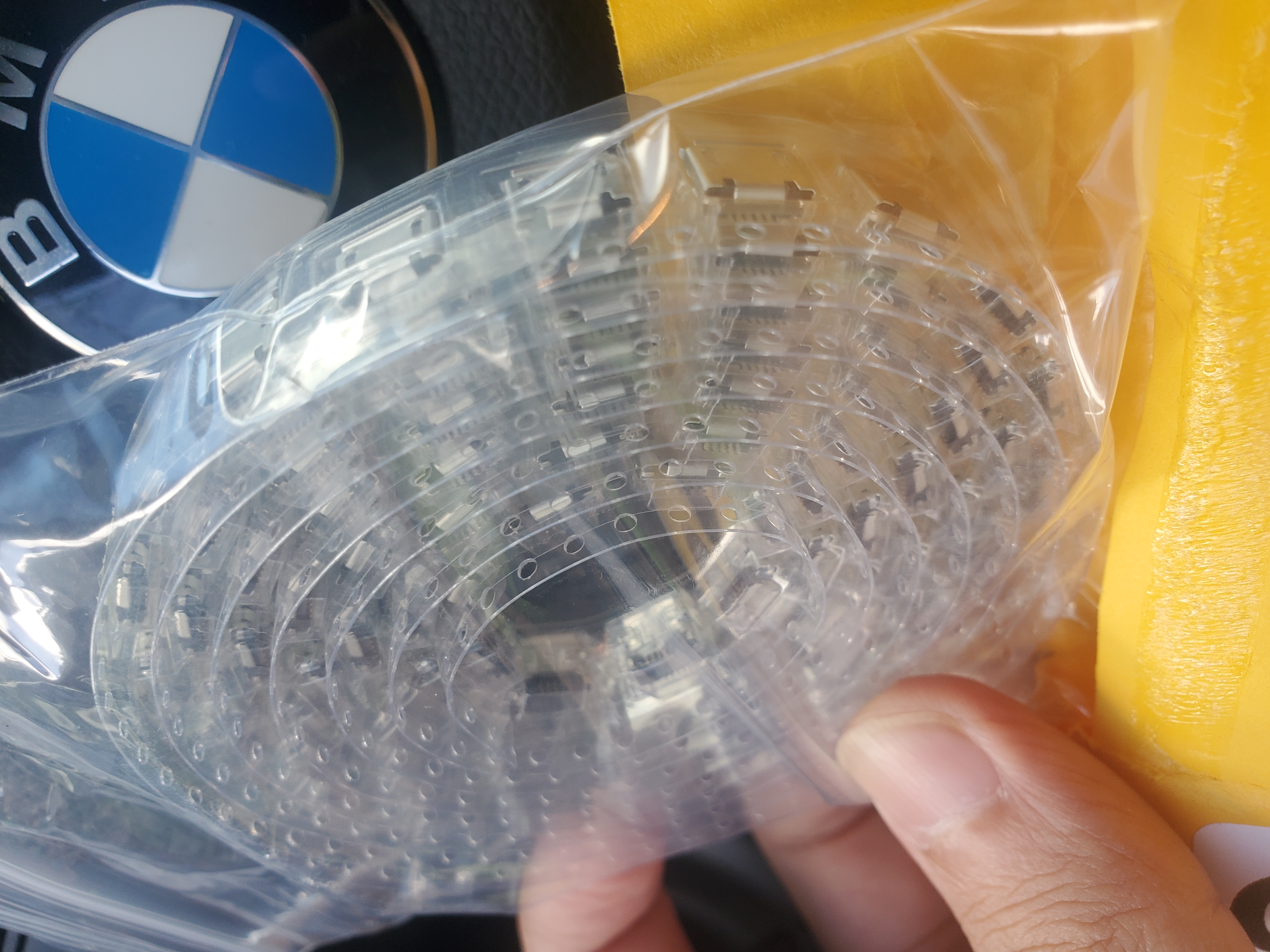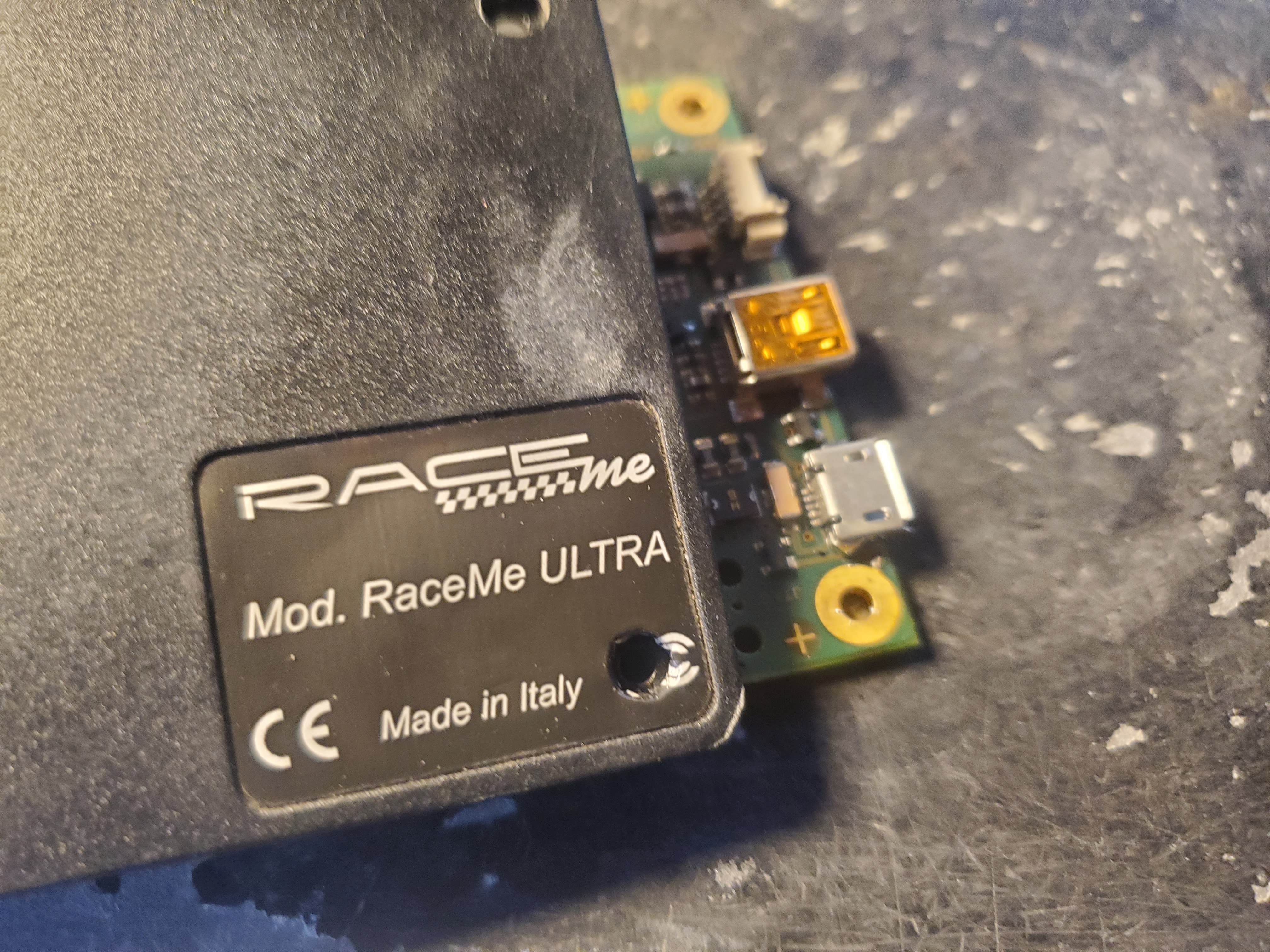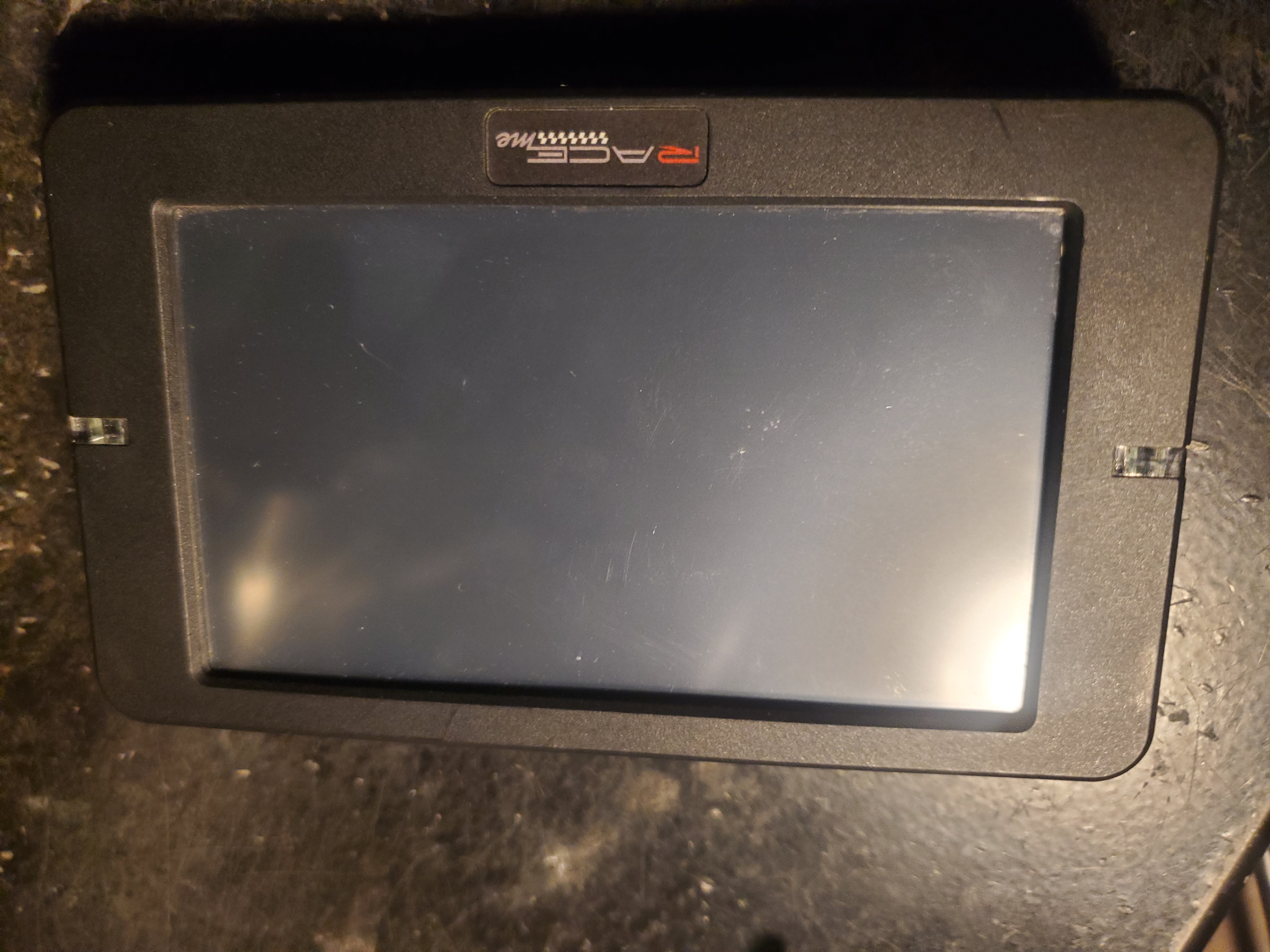
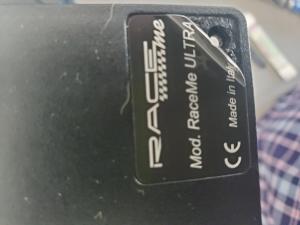
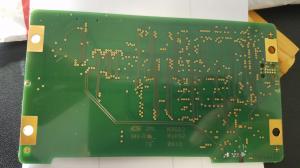
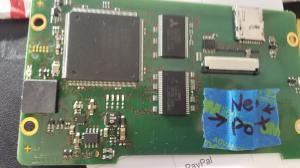
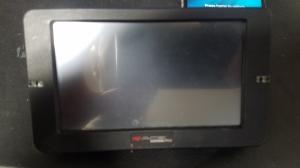
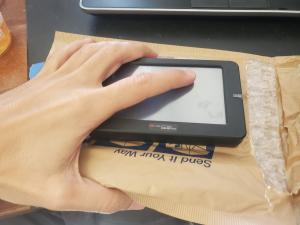
RaceMe Ultra Tuner Repair Services

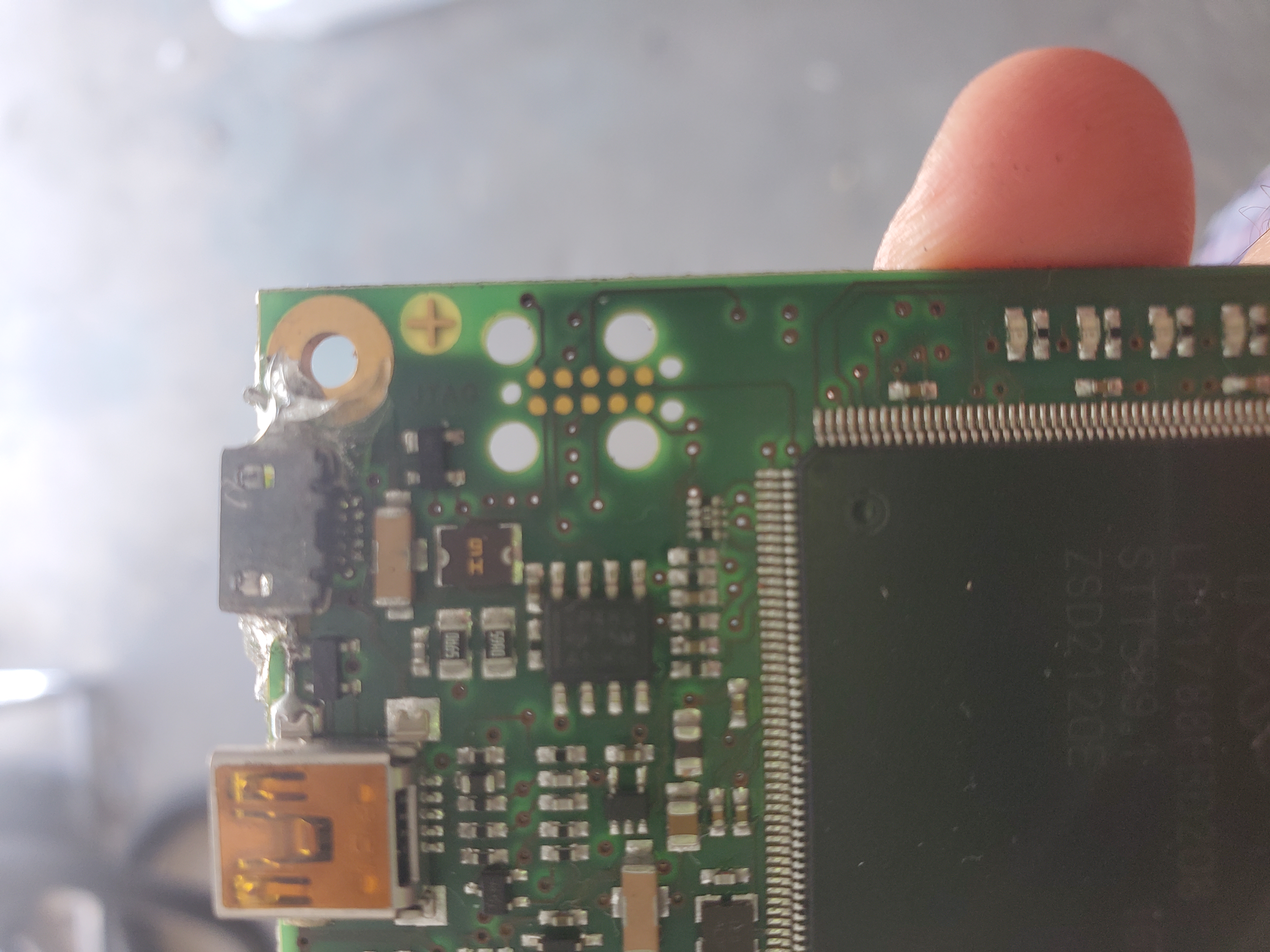
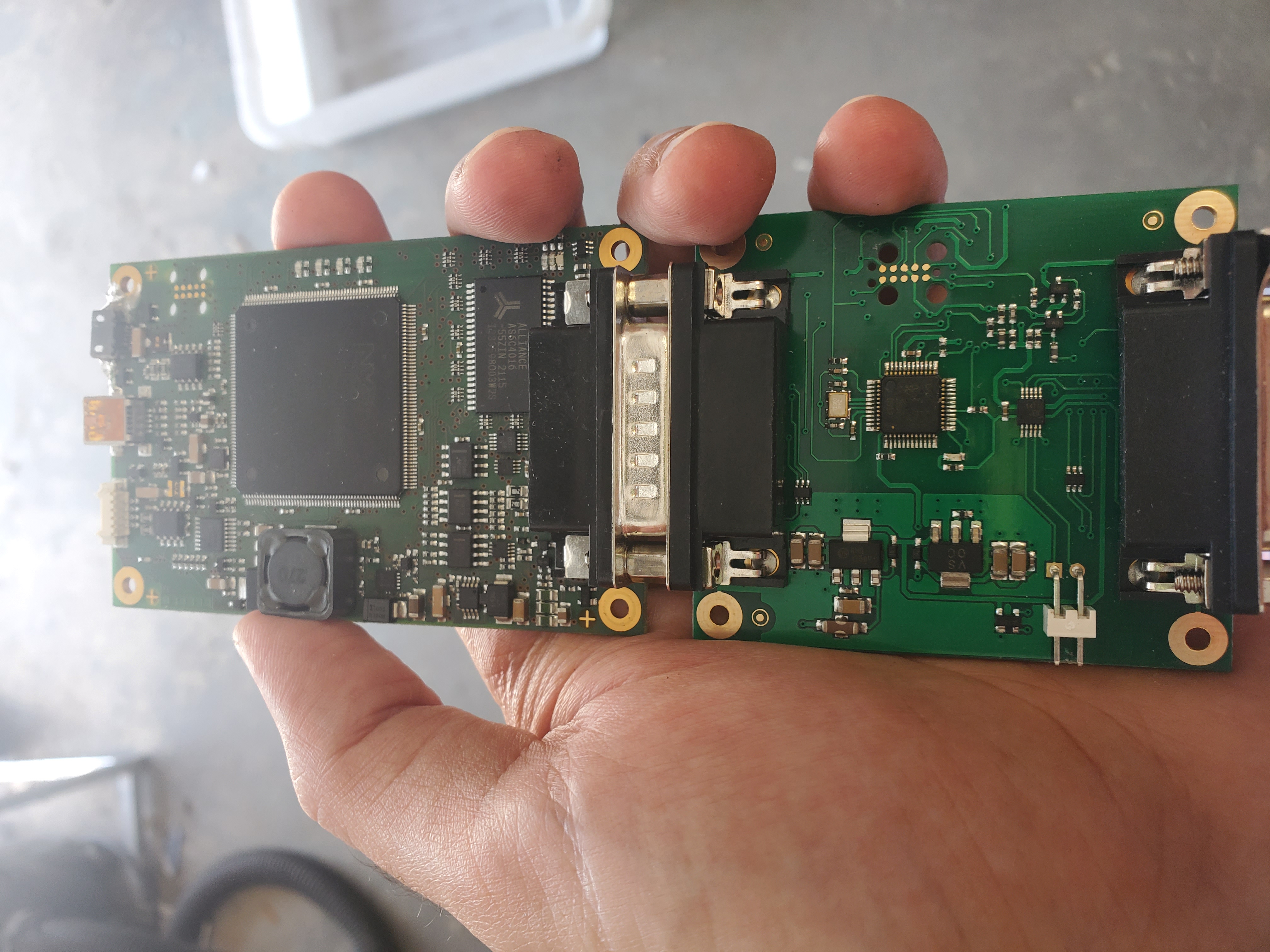
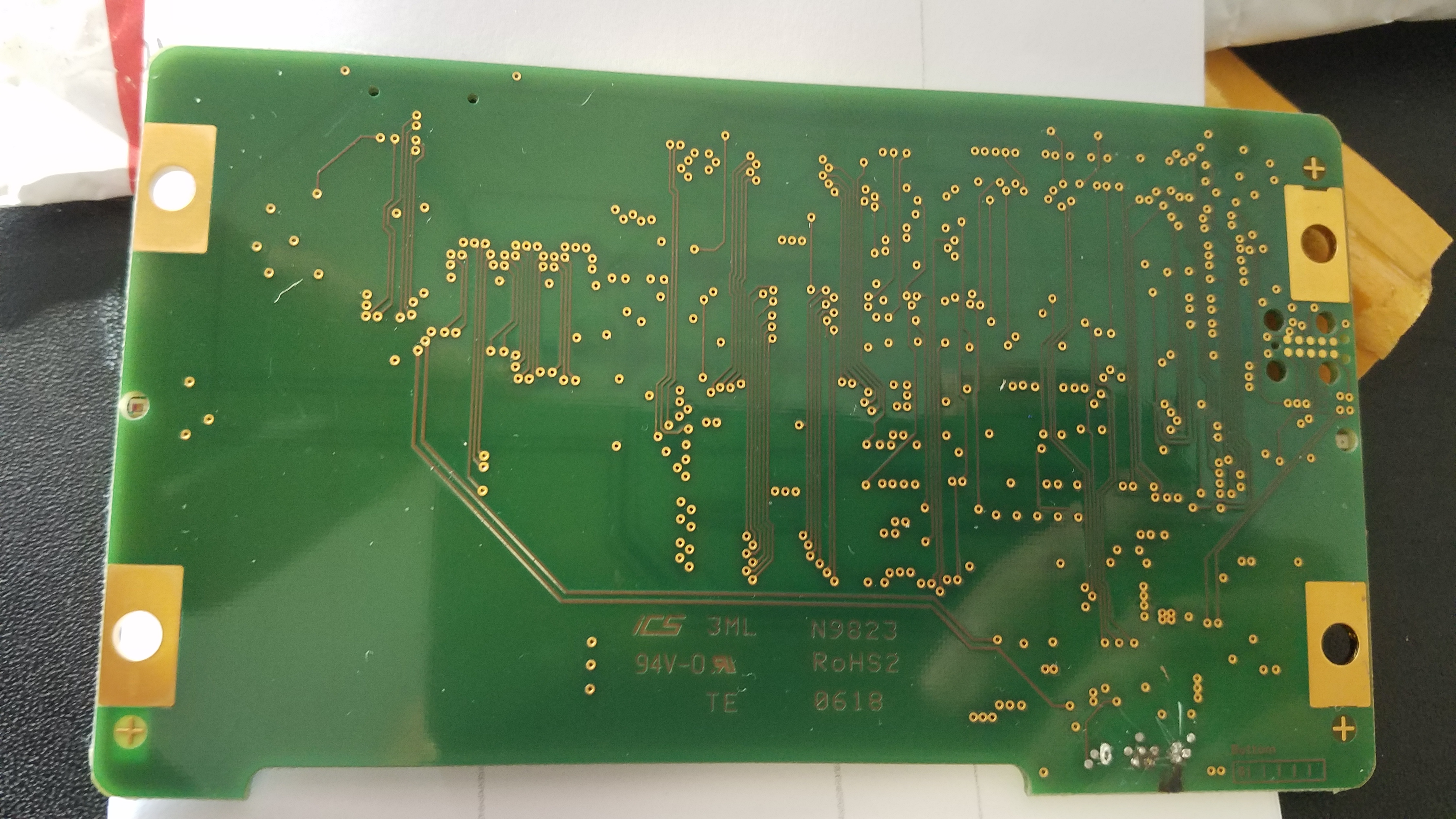
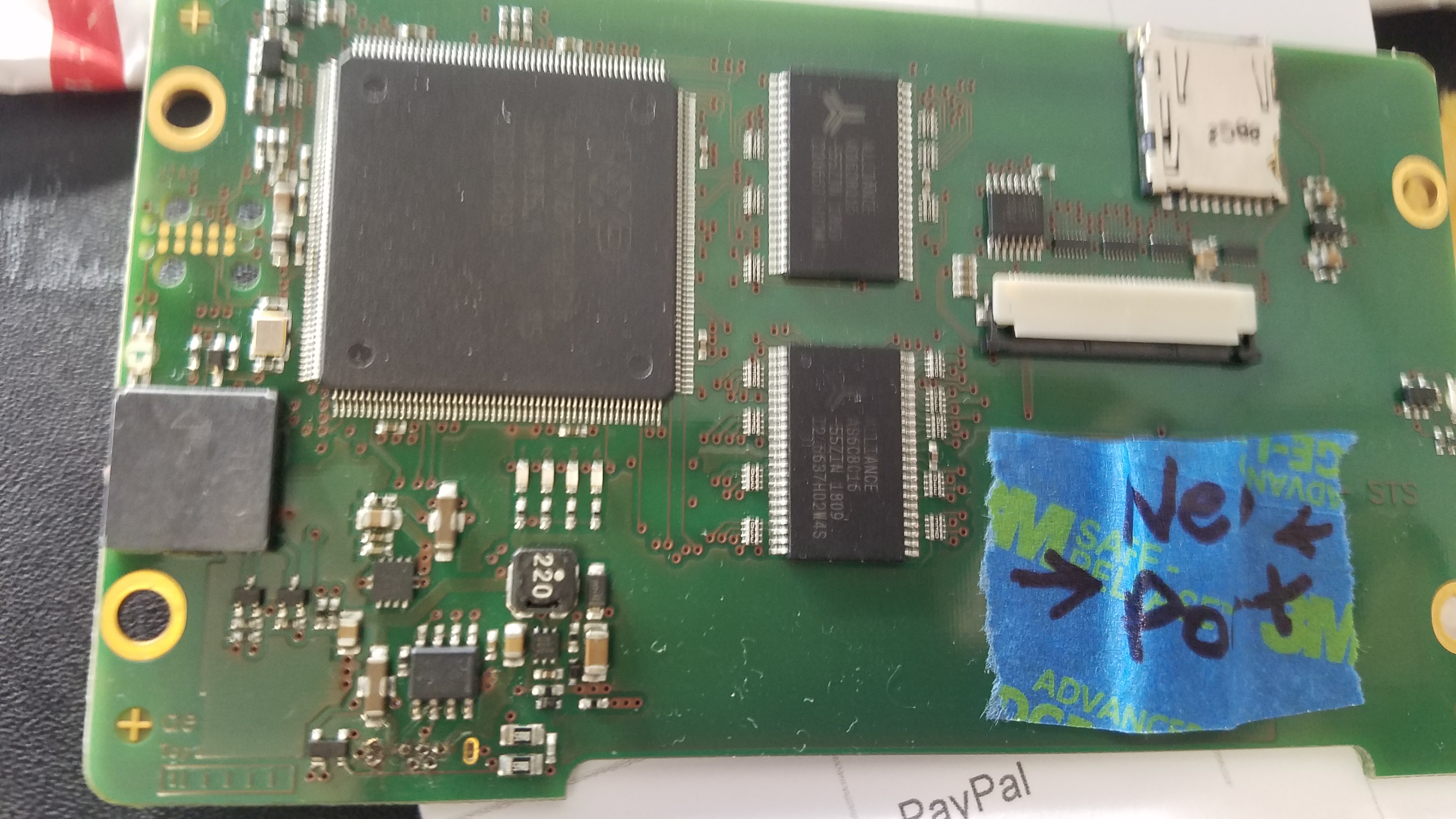
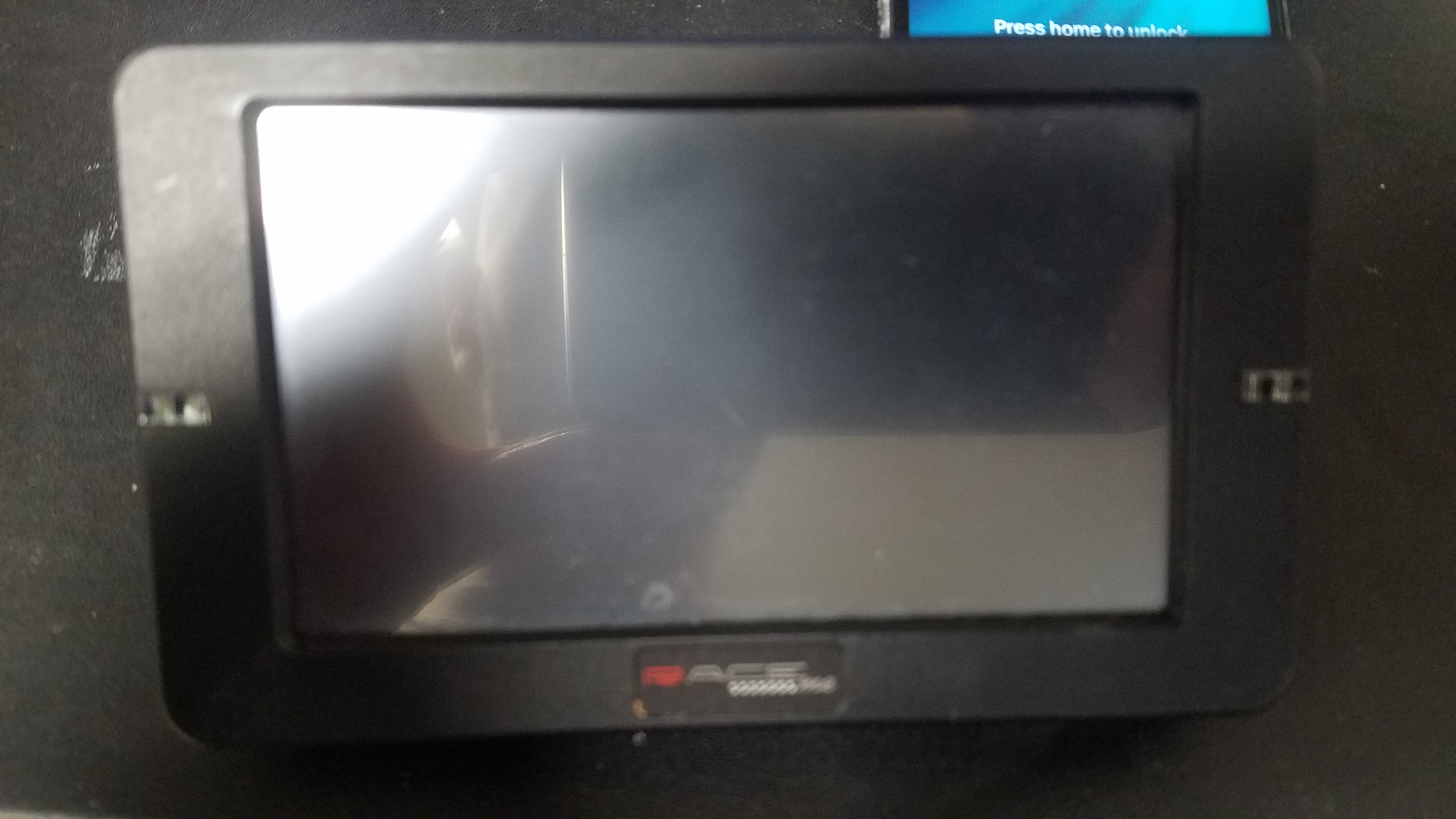
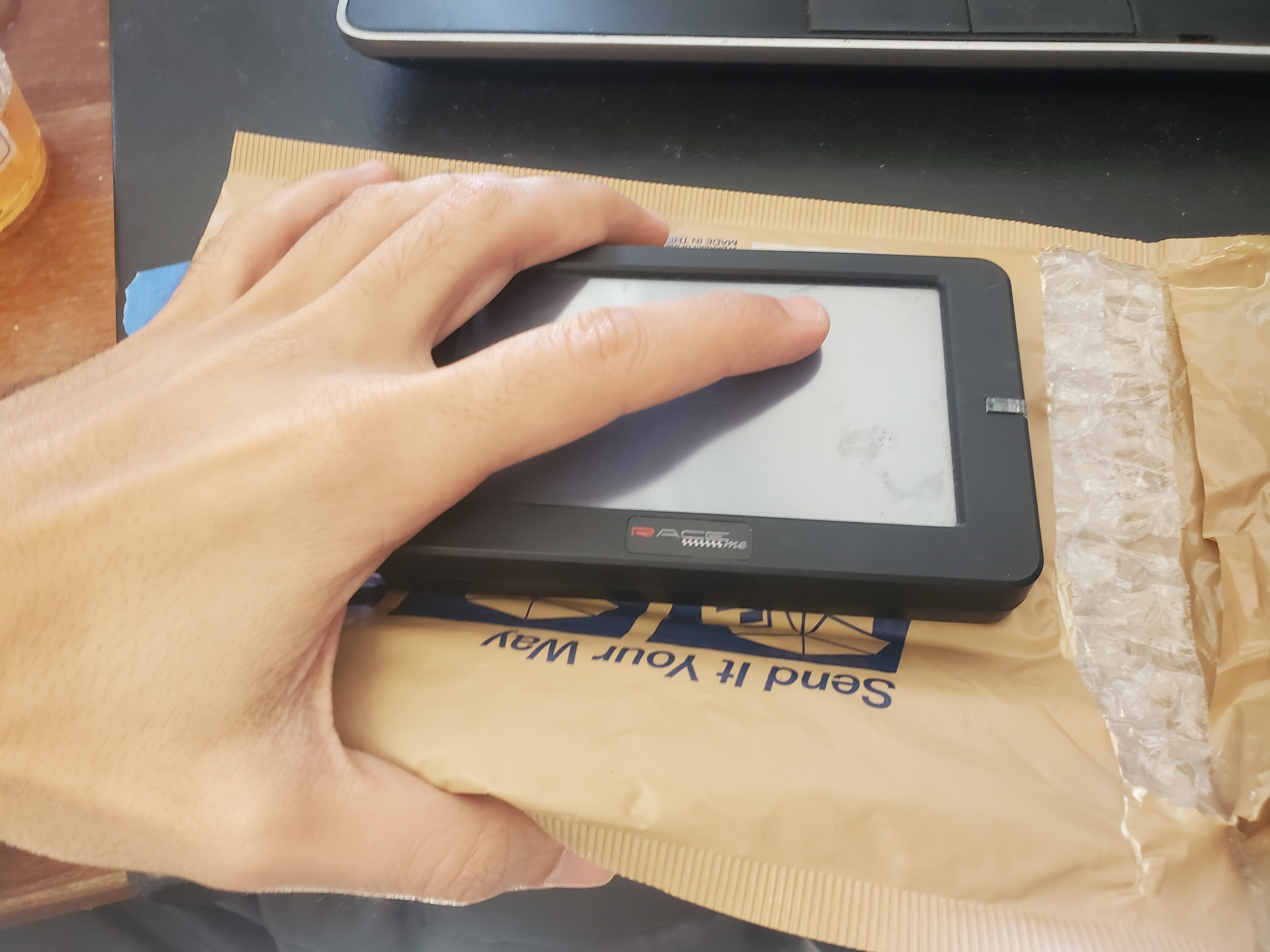
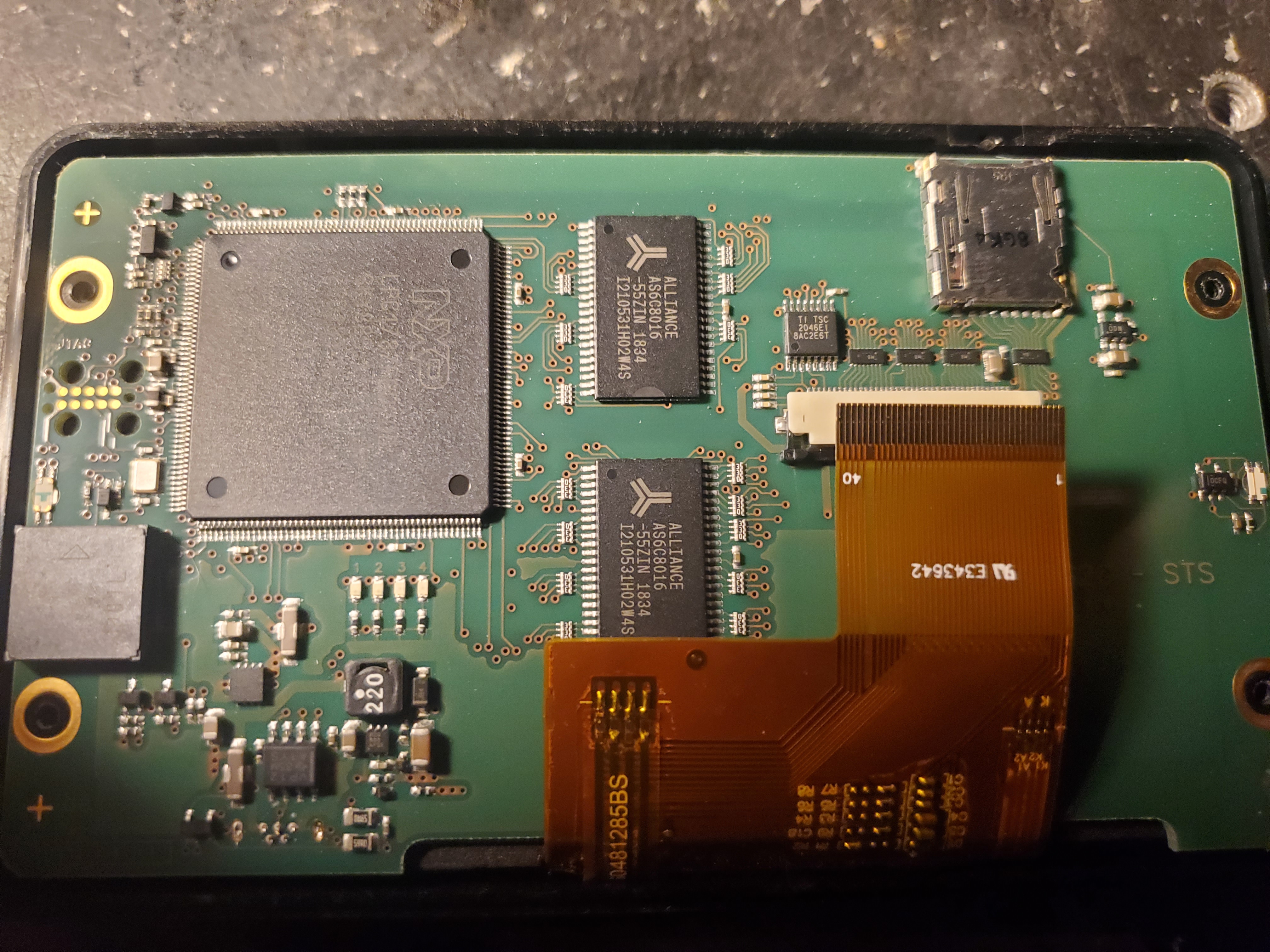
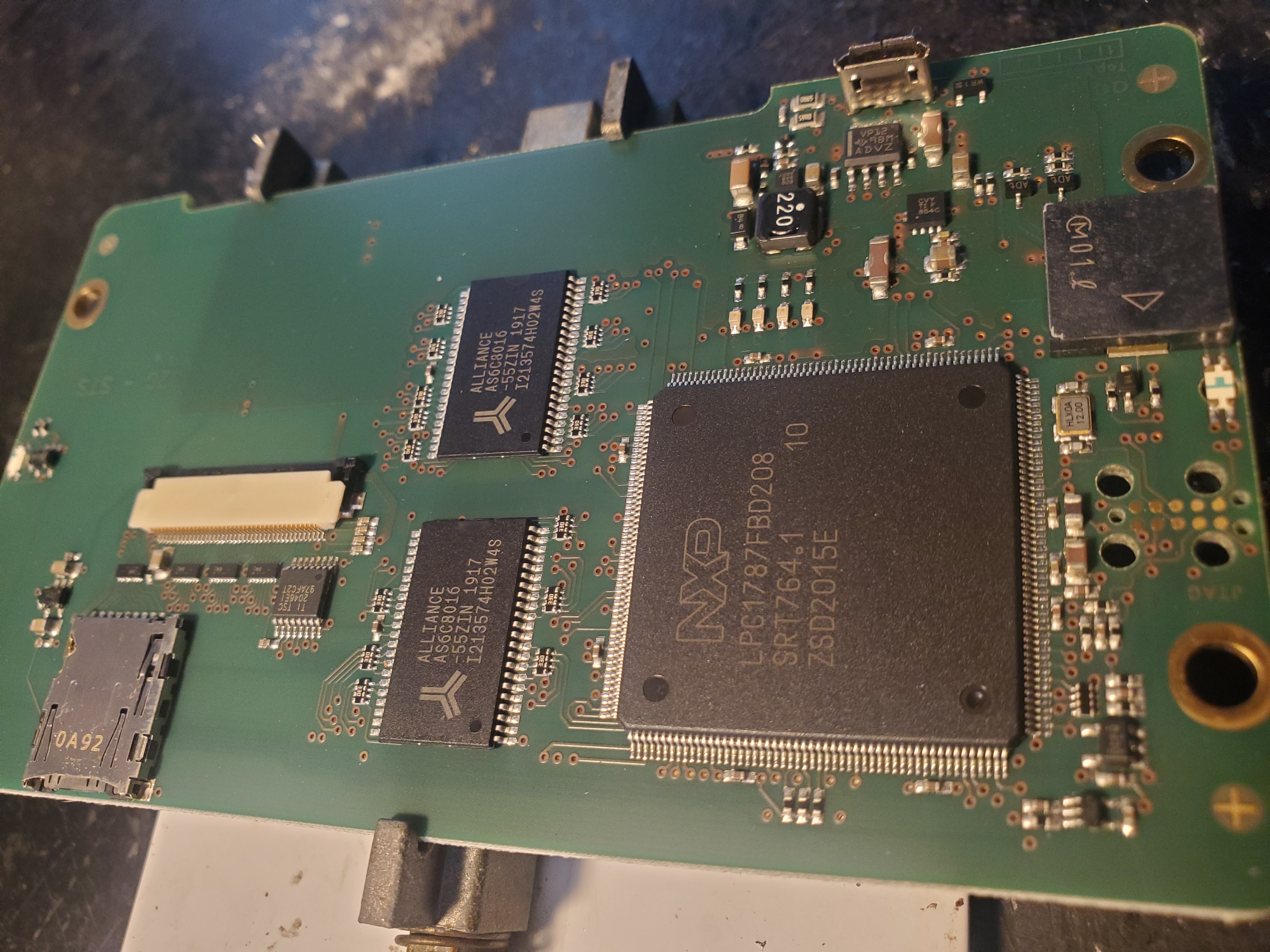
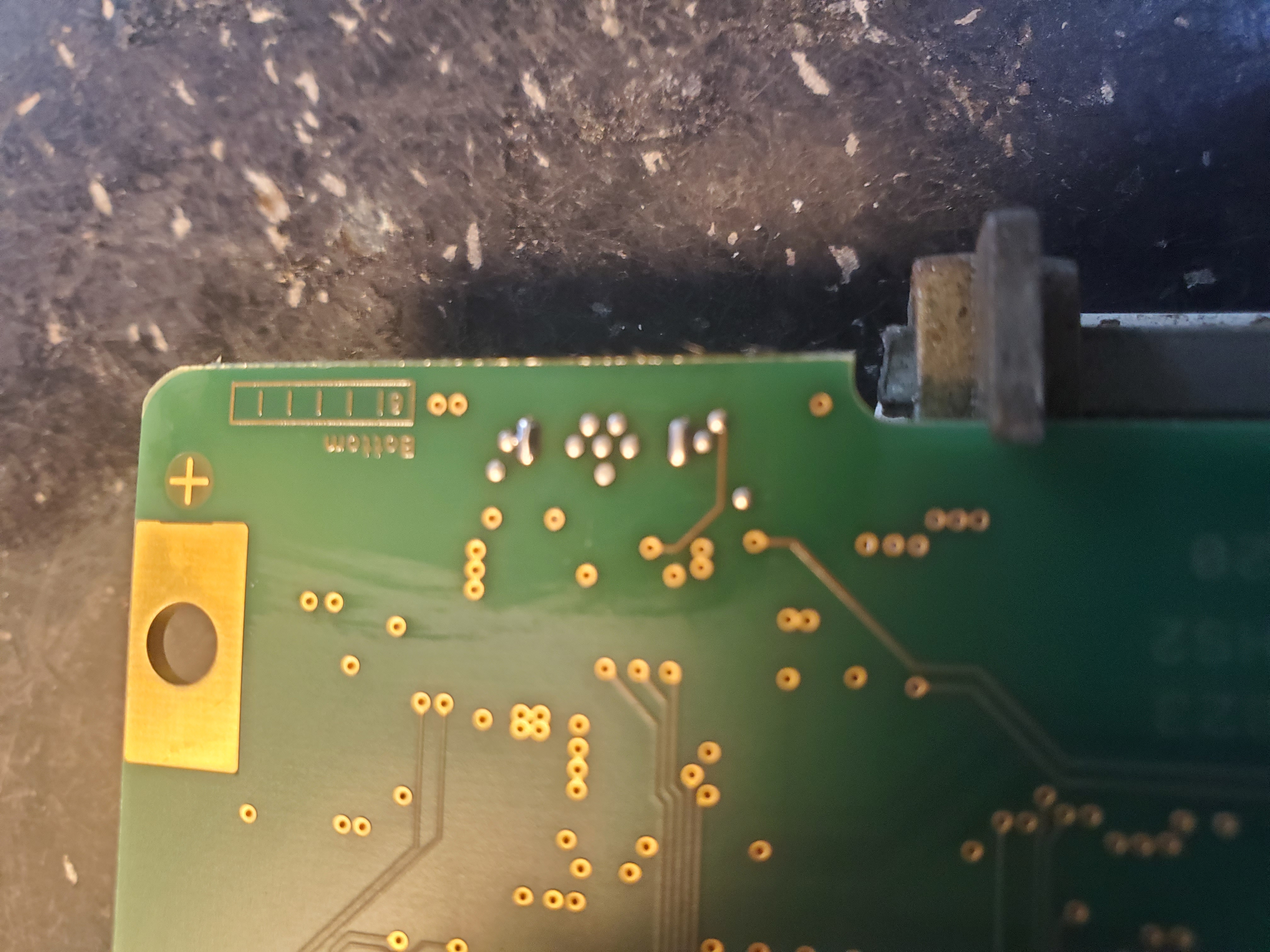
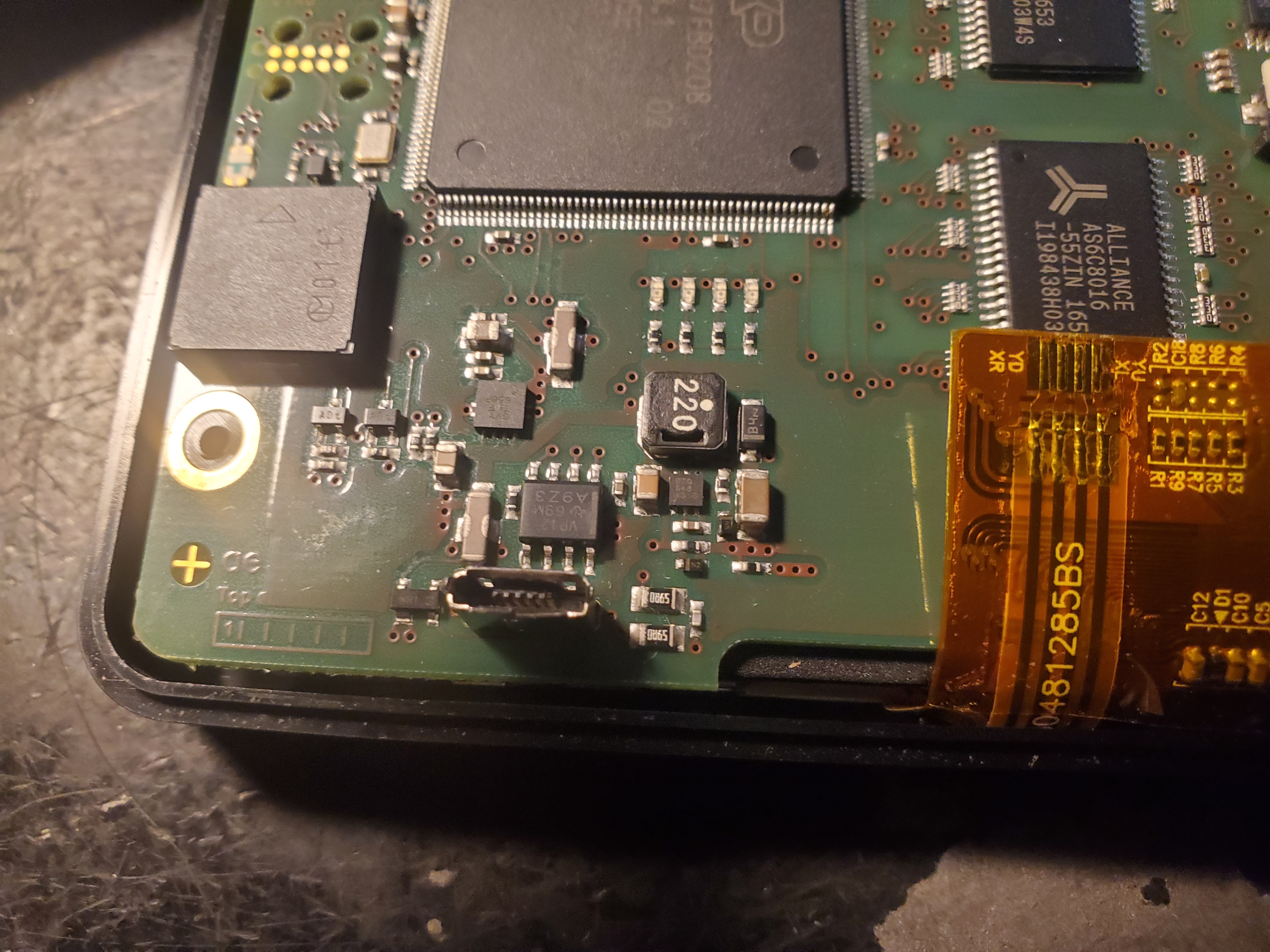
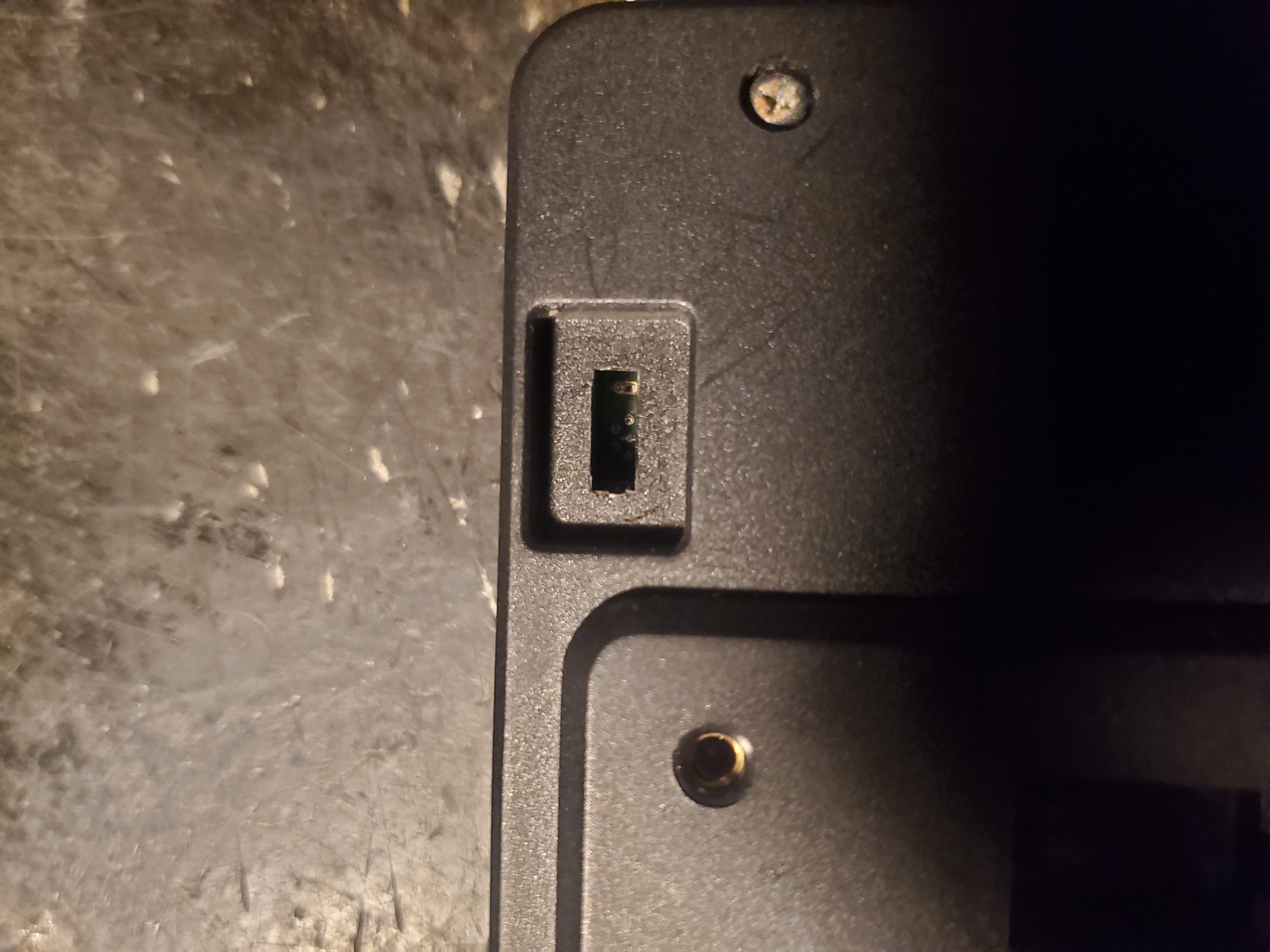
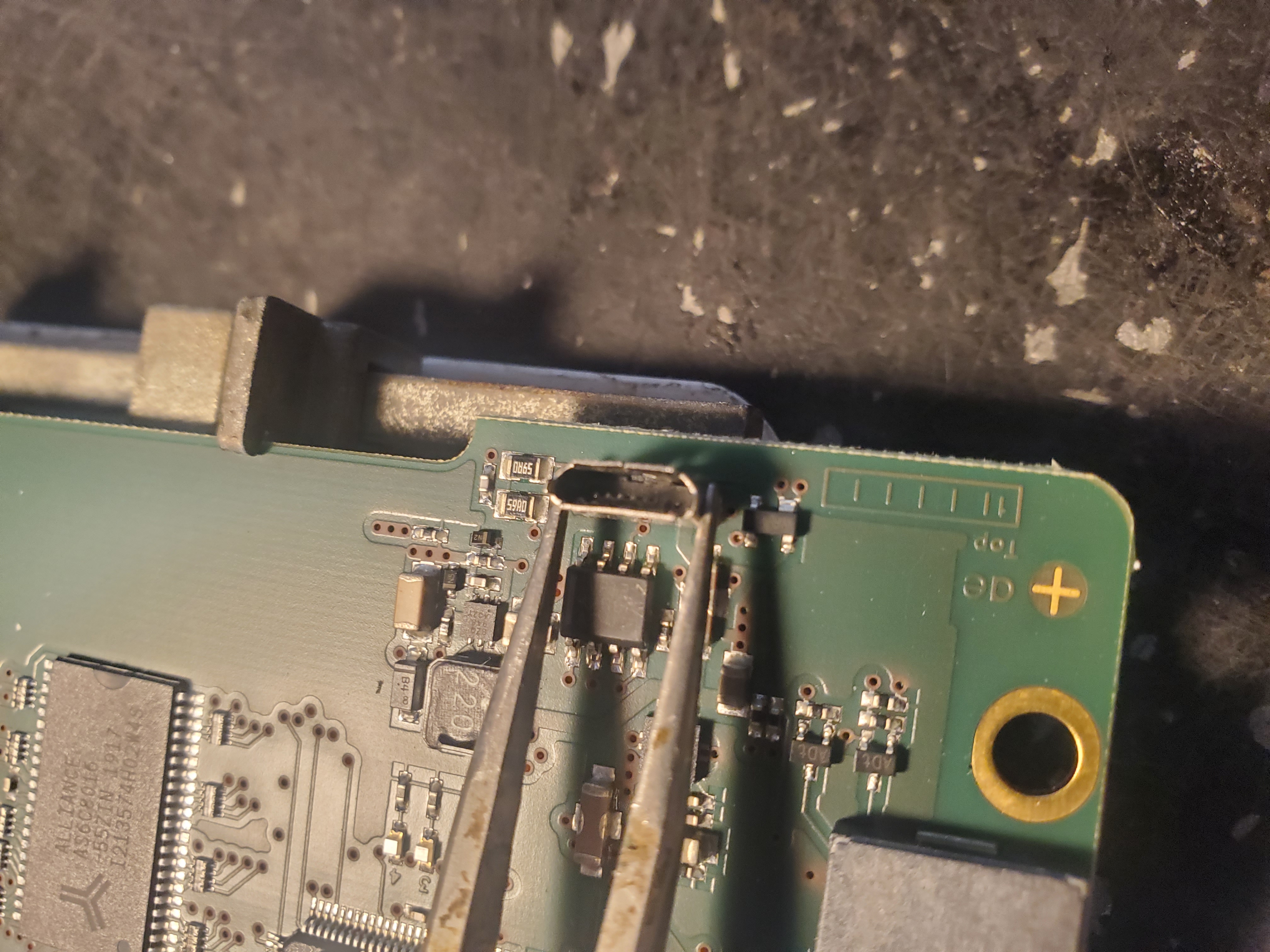
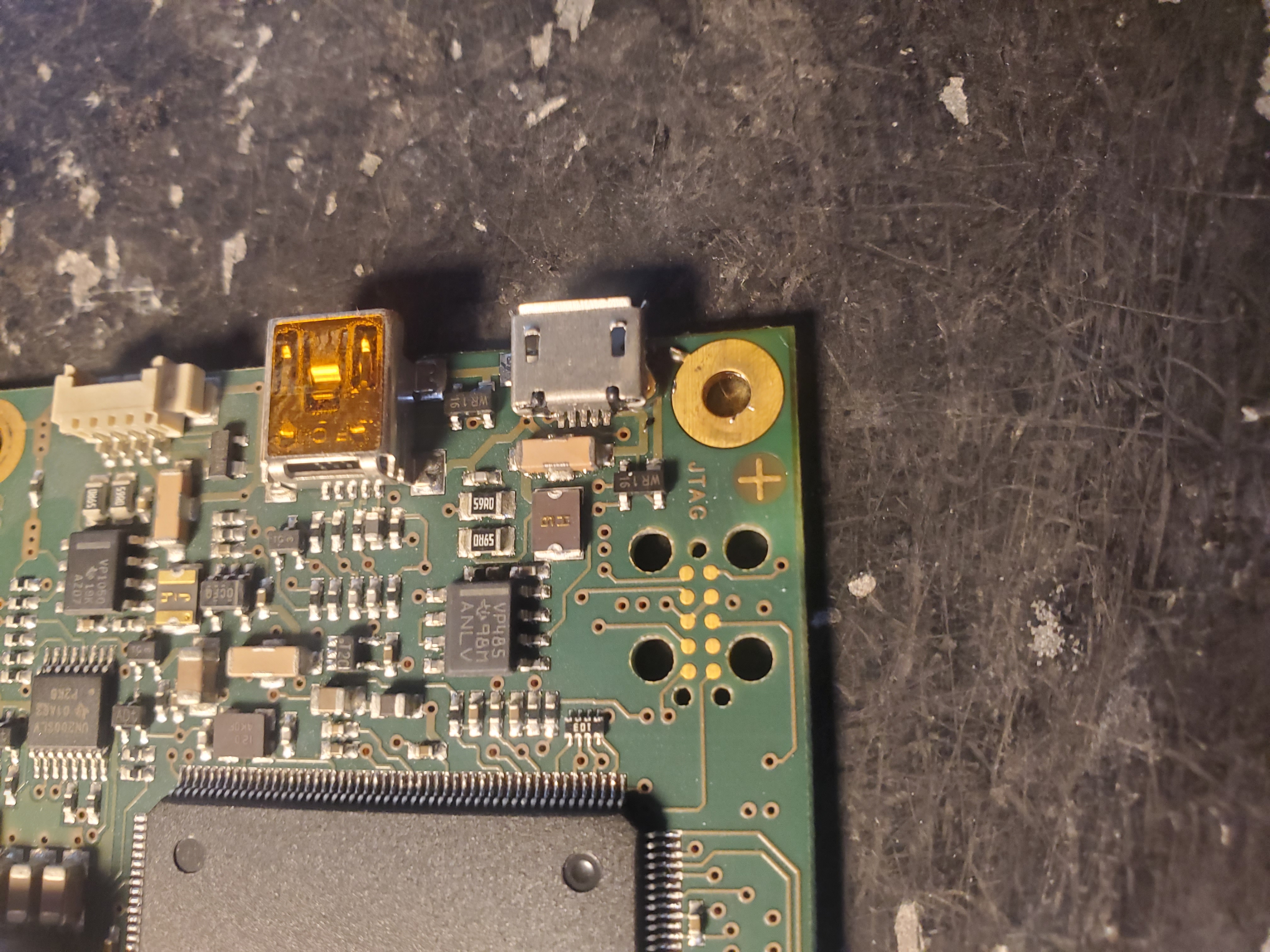
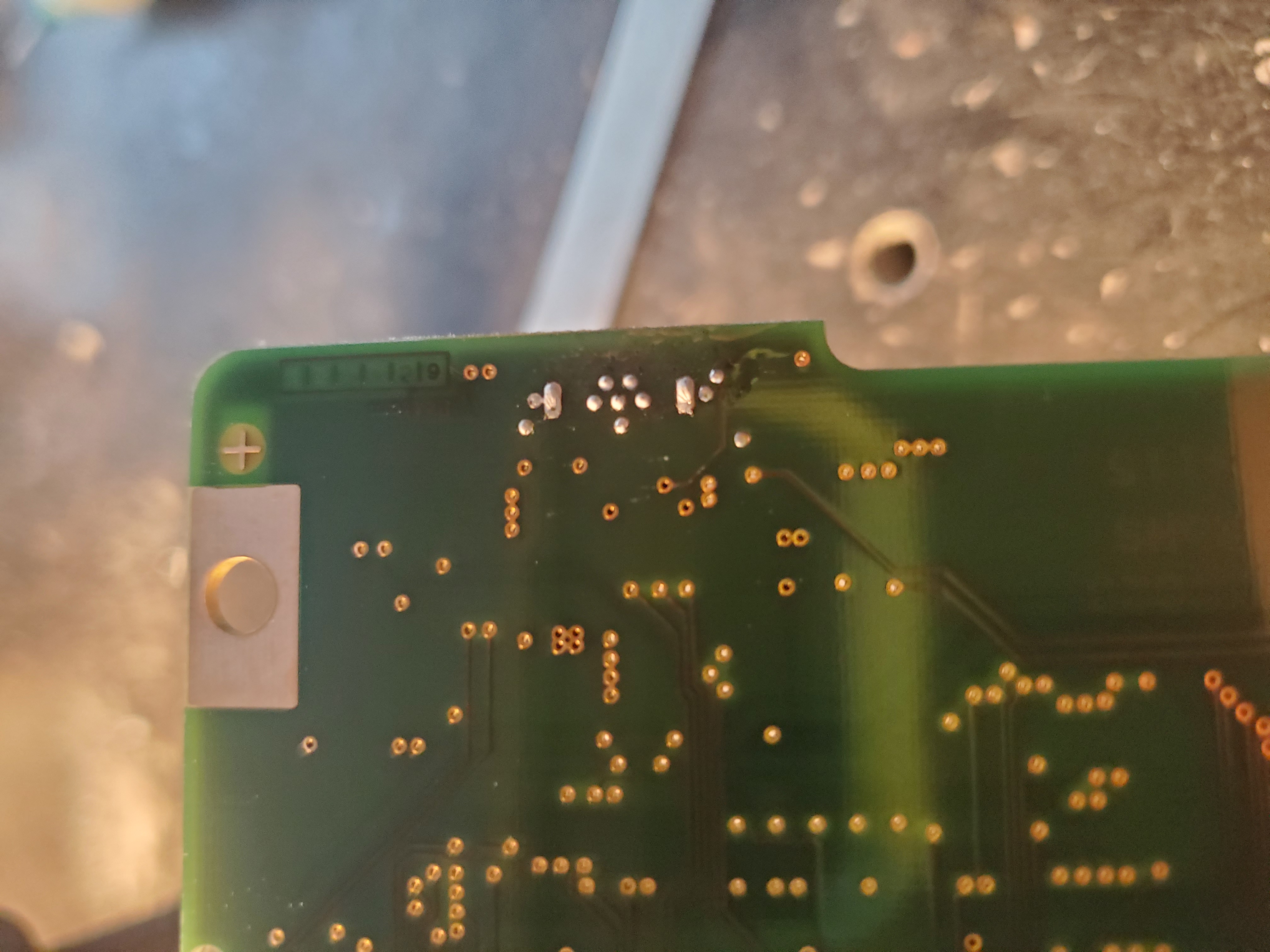
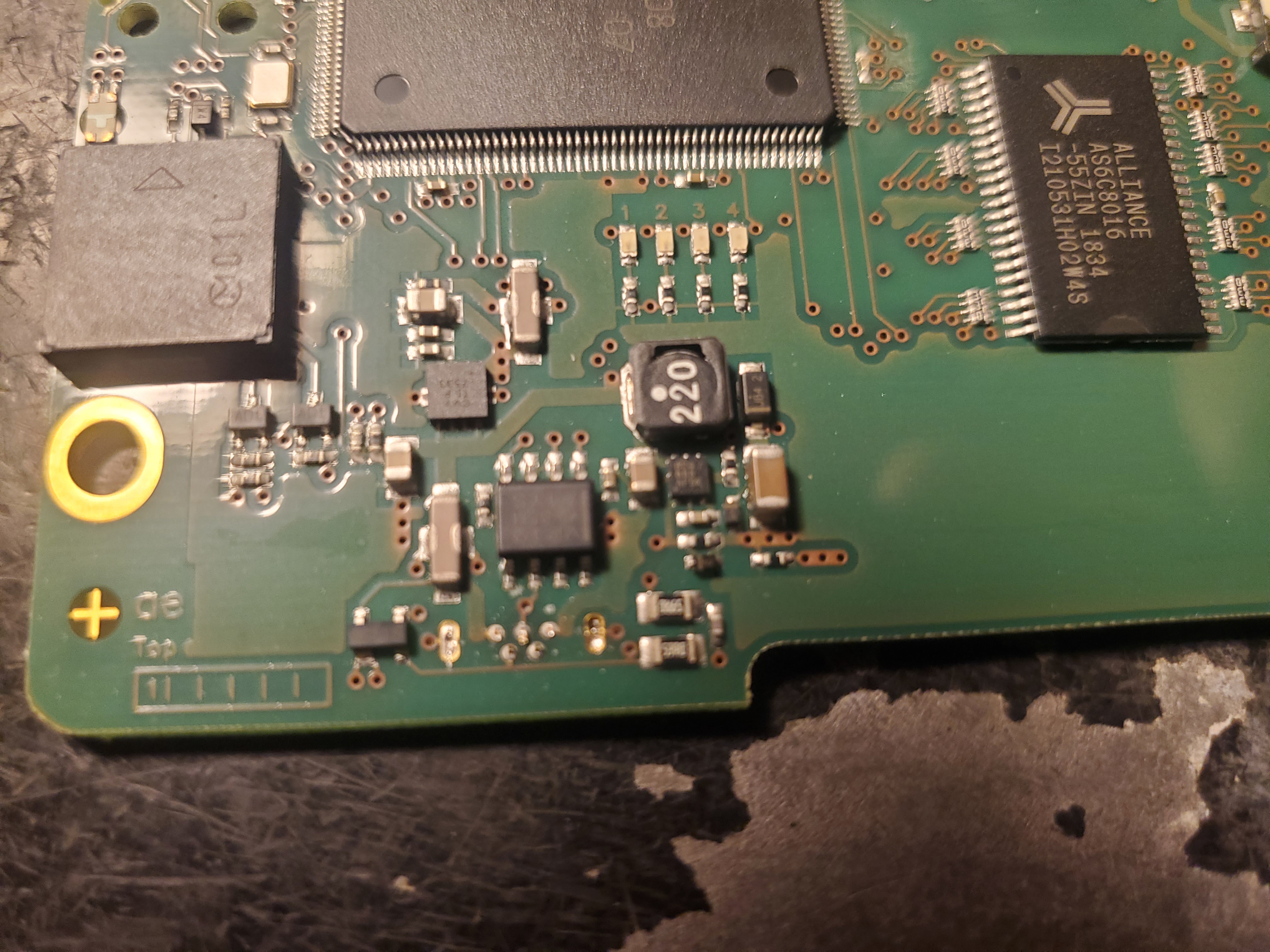
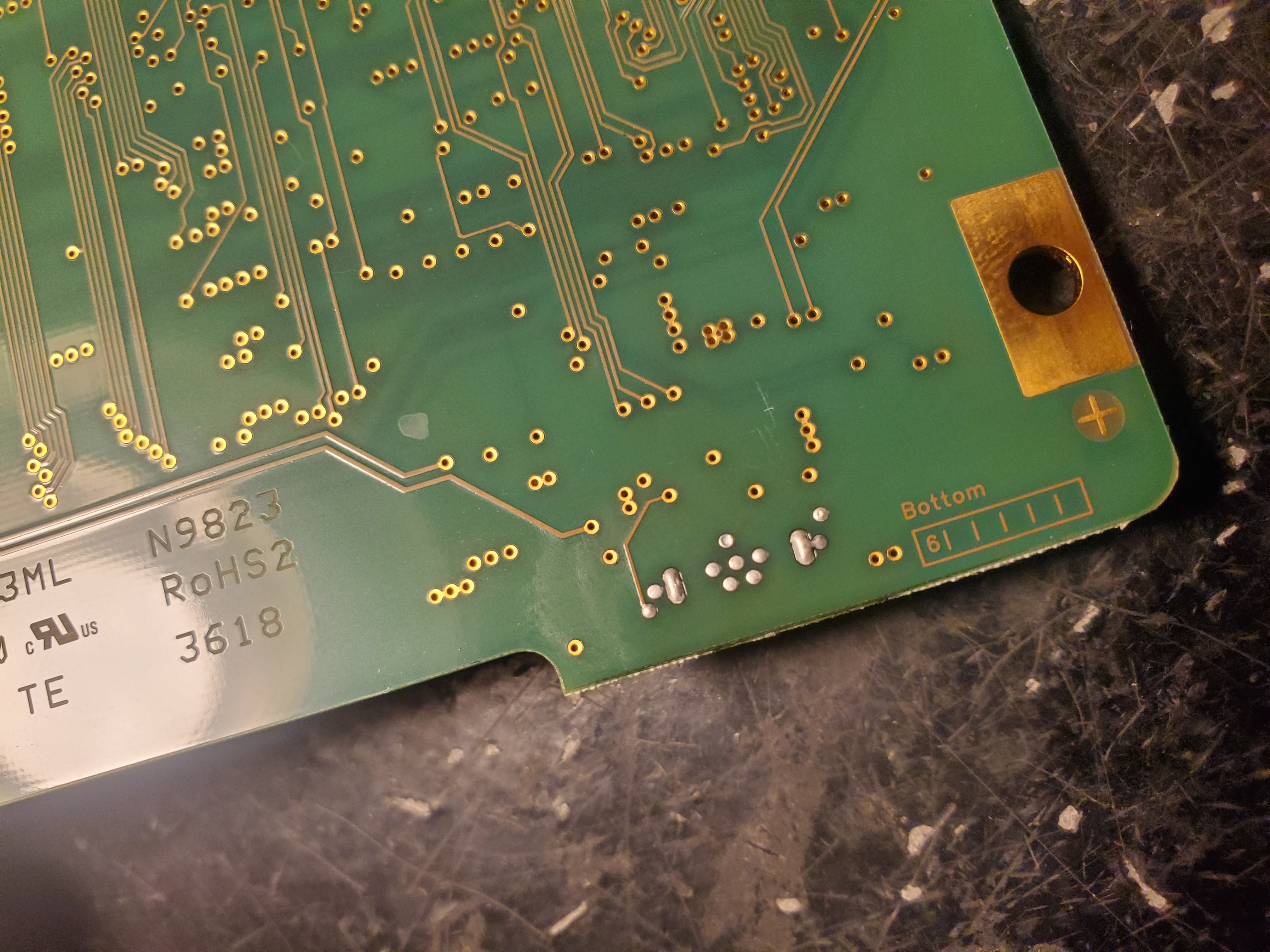
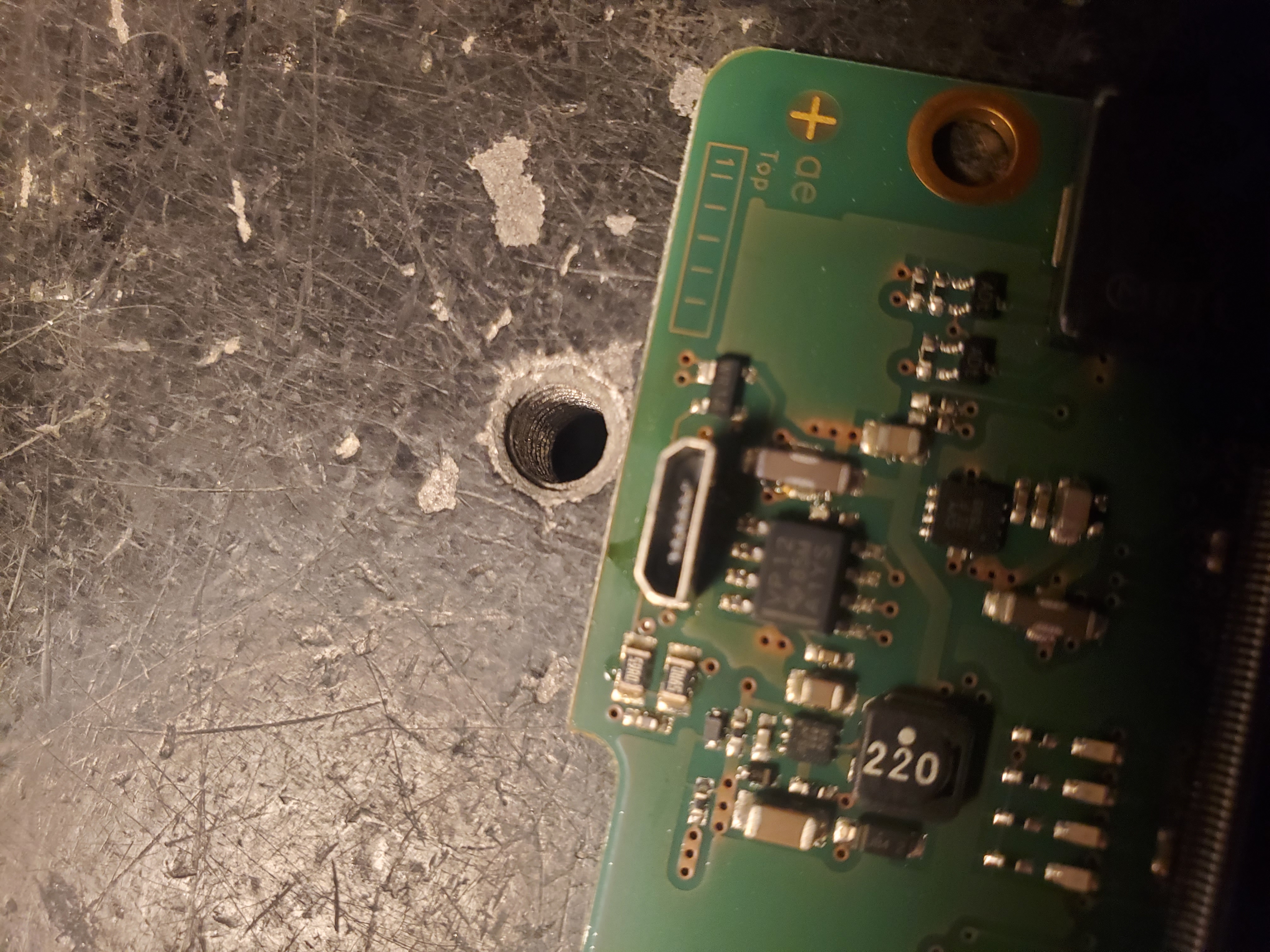
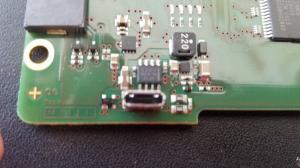
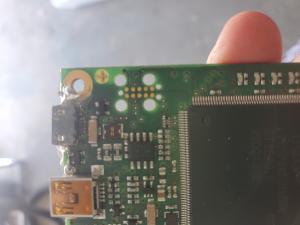
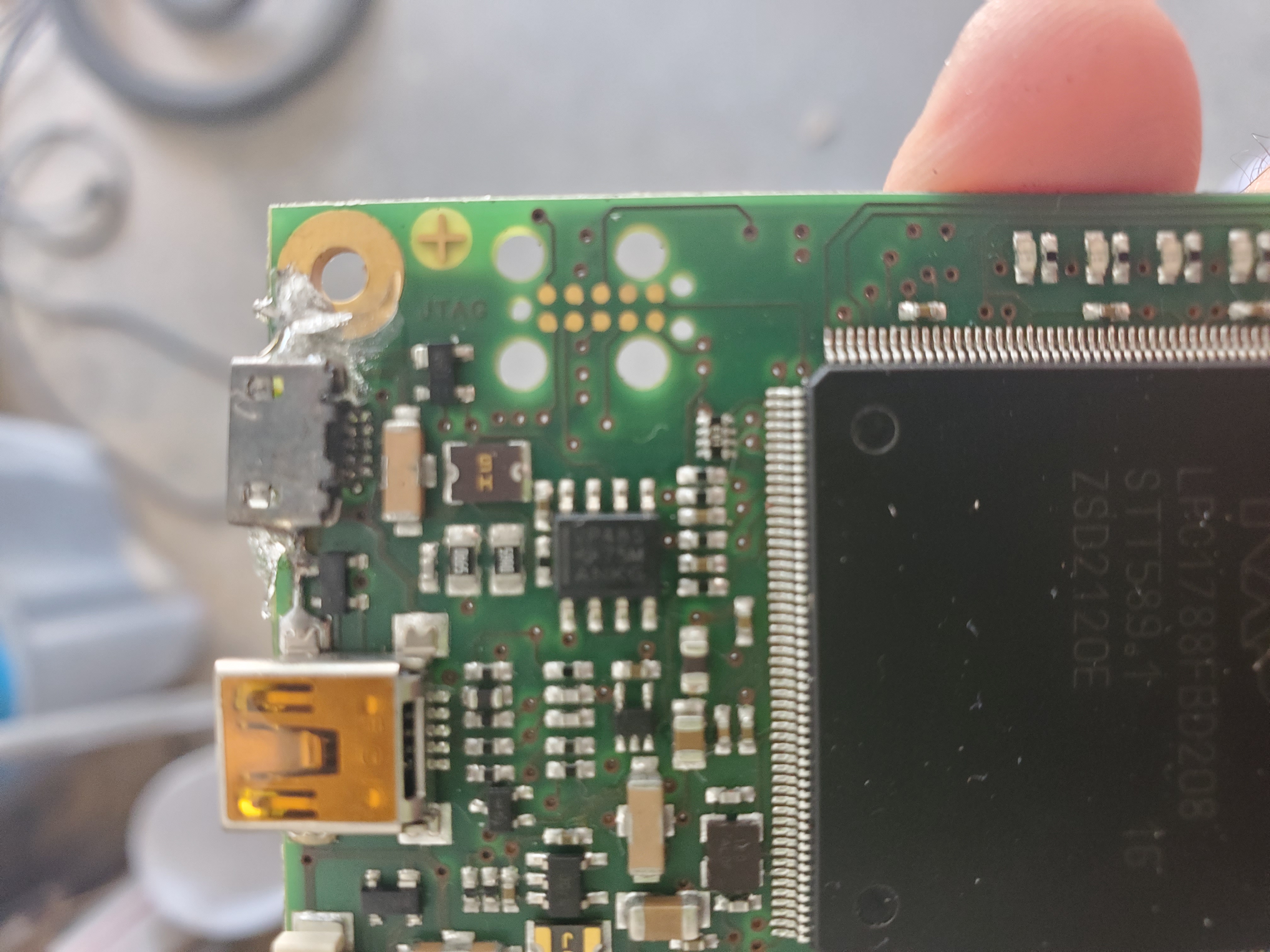
The RaceMe Ultra USB port is known to have a design flaw that often leads to it being broken. This flaw includes the use of pads instead of Vias for the legs of the USB port. As a result, the USB port can break easily, causing inconvenience and frustration for the user.

Fixing the USB port is crucial to ensure that the RaceMe Ultra functions properly. Without a functional USB port, users are unable to connect the device to their computer or power source, rendering it useless for updates or charging.

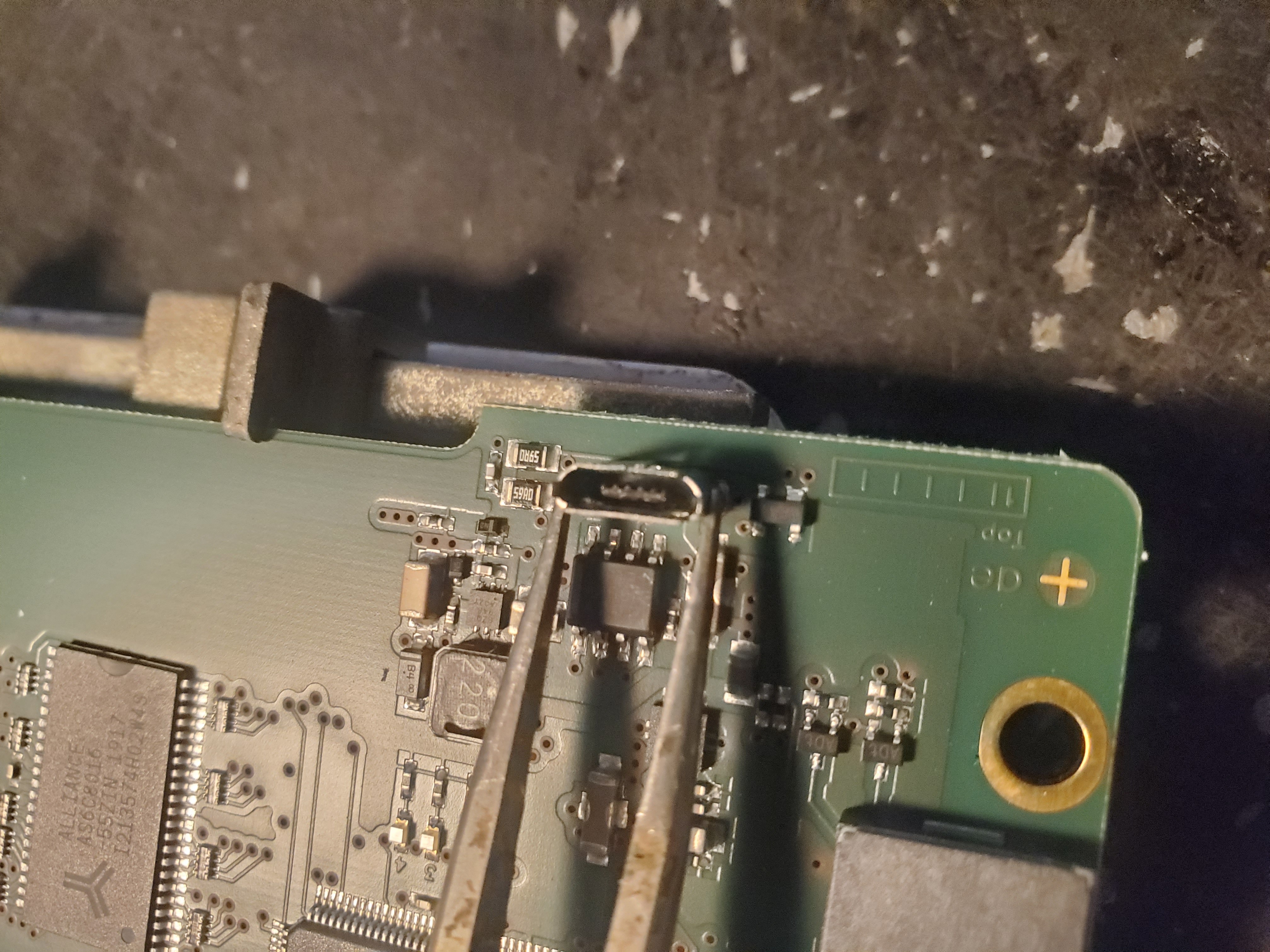
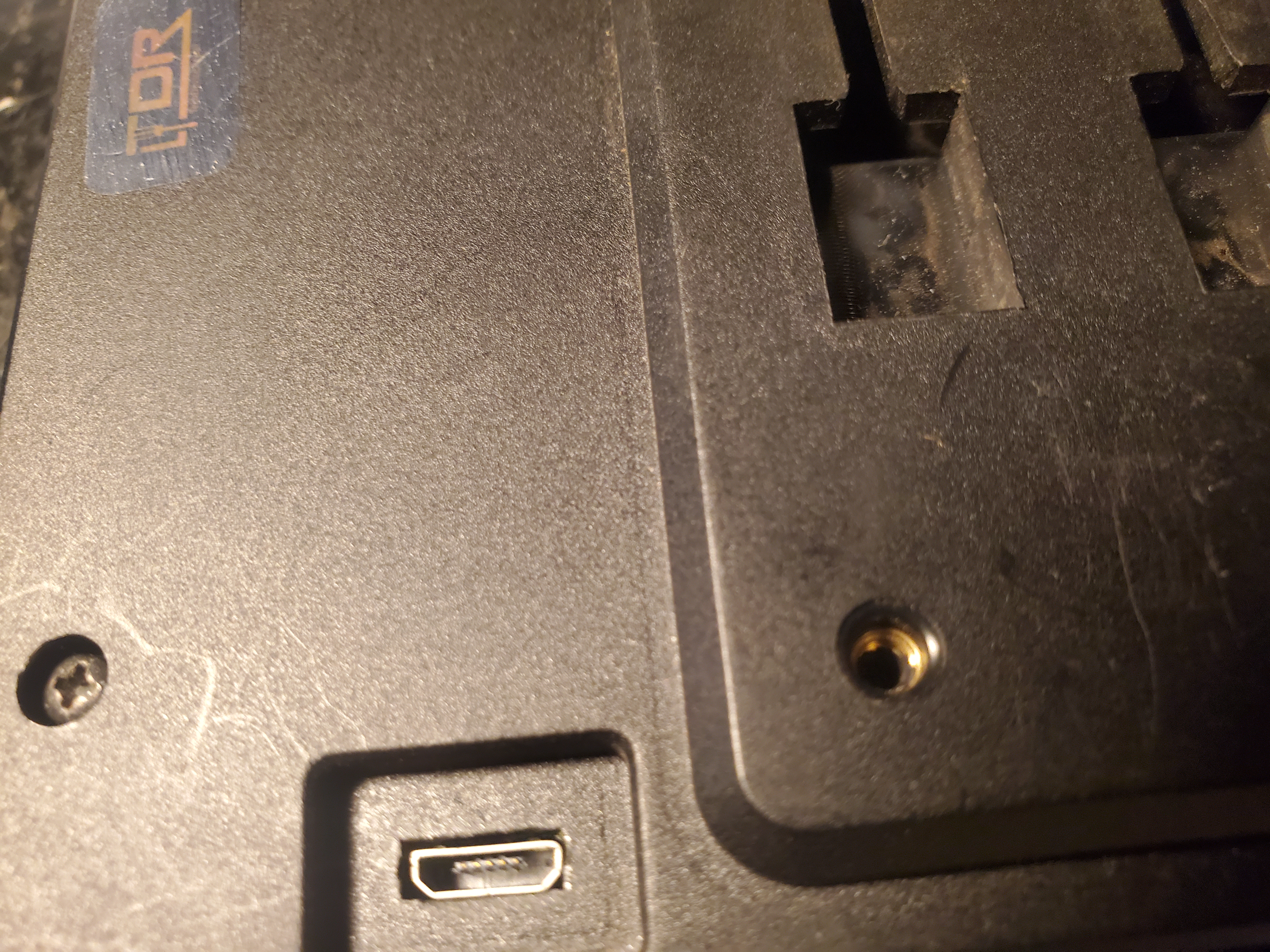
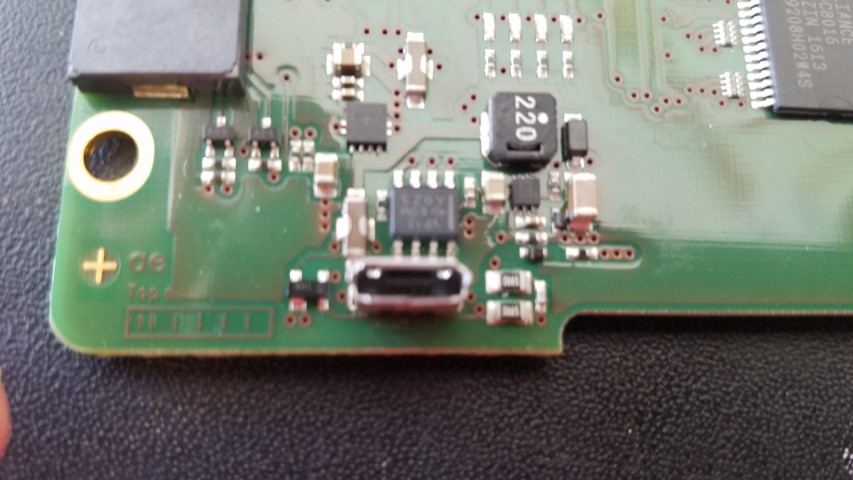
The repair process involves cleaning the area and adding a new USB port. To reinforce the USB port and prevent future breakage, a UV mask is used. The UV mask is applied to the bottom and sides of the port, providing additional stability and durability.

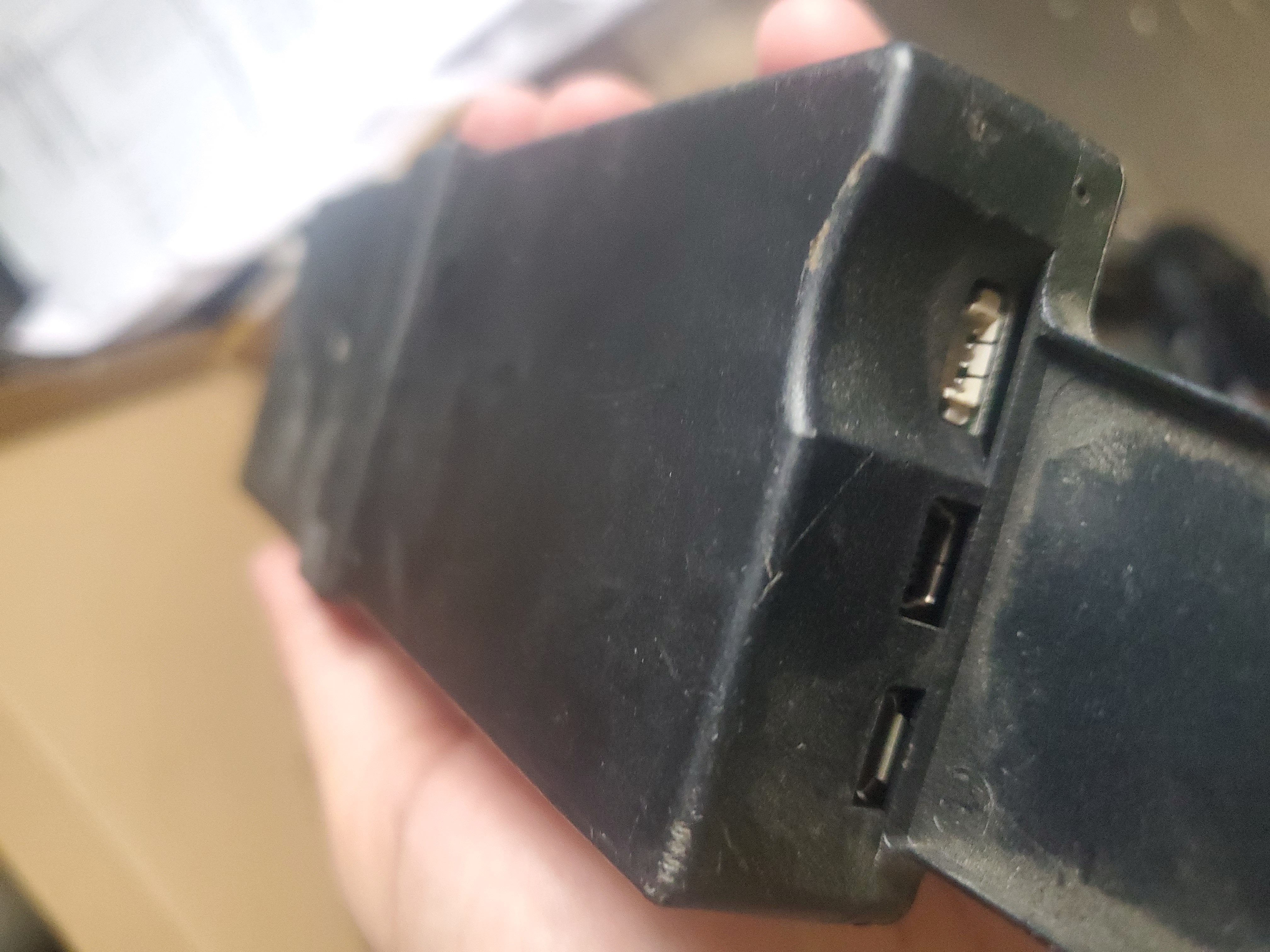
After the repair is complete, the final result is a strong and reliable USB port that can withstand regular use. This repair not only solves the immediate issue but also helps to prevent future damage, ensuring that the RaceMe Ultra remains functional for a long time.

Repairing the USB Port

The RaceMe Ultra USB port is known to have a design flaw that often leads to it being broken. This flaw includes the use of pads instead of Vias for the legs of the USB port. As a result, the USB port can break easily, causing inconvenience and frustration for the user.

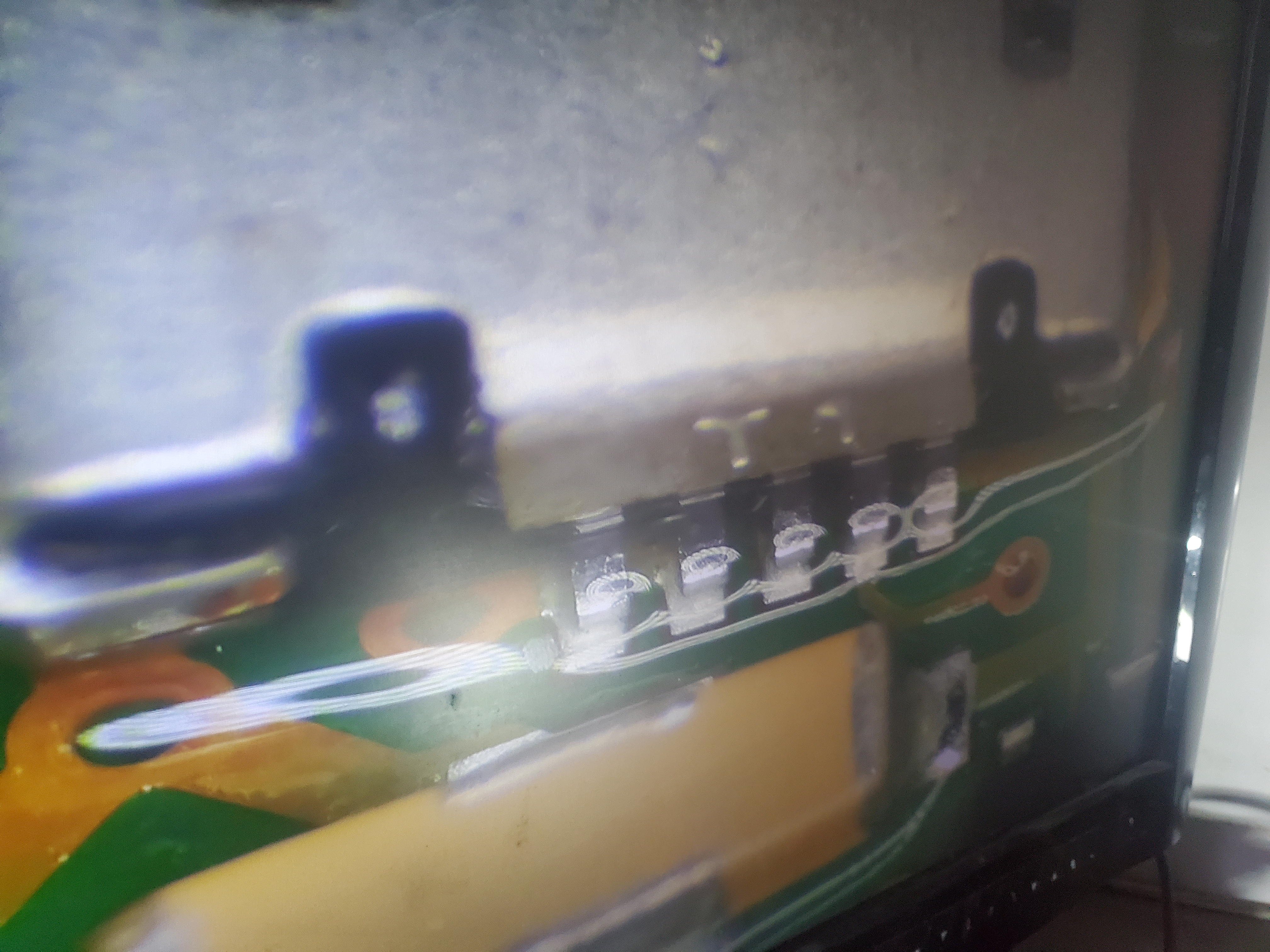
To repair the USB port, the first step is to clean the area. Using a microscope, the user can inspect the port and remove any dirt or debris that may be present. This cleaning process ensures that the UV mask will adhere properly to the port, providing a strong bond.

Table of Contents

Once the port is clean, the next step is to add the UV mask for reinforcement. The UV mask is a protective coating that is applied to the bottom and sides of the port. This coating provides additional stability and durability, preventing future breakage.

Applying the UV mask is a simple process. The user can use a small brush or applicator to carefully apply the mask to the desired areas. It is important to ensure that the mask is applied evenly and covers the entire surface of the port.

After the UV mask is applied, it is time to cure it. The curing process involves exposing the mask to UV light for a specific amount of time. This time can vary depending on the brand of mask being used, but typically ranges from 30 seconds to a few minutes.

During the curing process, the UV light causes a chemical reaction in the mask, hardening it and creating a strong bond with the port. This bond provides the necessary reinforcement to prevent future breakage and ensure the longevity of the USB port.

Once the curing time is complete, the final result is a repaired USB port that is ready for use. The port is now strong and reliable, able to withstand regular use without the risk of breaking. This repair not only solves the immediate issue but also helps to prevent future damage, ensuring that the RaceMe Ultra remains functional for a long time.

Benefits of the Repair

Repairing the USB port of the RaceMe Ultra comes with several benefits that enhance the overall functionality and usability of the device.

  • Improved durability and longevity of the USB port: By fixing the design flaw, the repair process ensures that the port becomes more durable and long-lasting. The addition of a UV mask provides extra stability and reinforcement, making the port stronger and less prone to breakage.
  • Prevention of future damage and breakage: The UV mask acts as a protective coating, shielding the port from dirt, debris, and other potential hazards, thereby reducing the risk of future breakage.
  • Convenience of easy access to the repaired port: Users can now effortlessly connect the device to their computer or power source for updates or charging, eliminating frustration.
  • Enhanced functionality and usability: With a properly repaired USB port, the RaceMe Ultra’s functionality is greatly enhanced, allowing users to update software and transfer data smoothly.

Overall, this repair not only solves the immediate issue but also provides long-term benefits, ensuring that users can enjoy the RaceMe Ultra for a long time to come.

FAQ

Can this repair be done by someone with no technical experience?

While this repair does require some technical knowledge and skills, it is not overly complex. With proper guidance and instructions, someone with no technical experience can successfully complete the repair. It is important to carefully follow the steps and take necessary precautions to avoid causing further damage to the device.

How long will the repaired USB port last?

The repaired USB port, with the addition of the UV mask and proper soldering, is designed to be more durable and long-lasting. It should be able to withstand regular use for an extended period of time. However, its lifespan can depend on factors such as usage intensity and environmental conditions. Handle the device with care to maximize longevity.

Is there a risk of damaging other components during the repair?

There is minimal risk of damaging other components if proper precautions are taken. Work in a well-lit, clean environment, use the correct tools, and follow the repair instructions carefully to minimize any potential damage.

Can the UV mask be removed if needed?

Although it is possible to remove the UV mask, doing so is not recommended unless absolutely necessary. Removing the mask can compromise the durability and strength of the port, increasing the risk of future breakage. It is best to leave the UV mask intact.

What are some other common issues with the RaceMe Ultra and how can they be fixed?

Aside from the USB port, the RaceMe Ultra may experience software glitches, an unresponsive touchscreen, or connectivity problems. For software glitches, updating to the latest version is advised. An unresponsive touchscreen may benefit from a soft reset or recalibration, and connectivity issues can often be resolved by checking cable connections and ensuring proper power supply. If these troubleshooting steps do not work, contacting customer support for further assistance is recommended.
Most Popular RaceMe Ultra Tuner Videos

"no fix, no fee, extra damage, extra charge! "that's our mottoenjoyfor more information on our repairs please visit our website at https://techdevicer...
10K+

RaceMe Ultra Tuner ... A failed DIY USB port replacement. #shorts - YouTube

Duration: 00:00:59

54,896
0:00: Intro of Race Me Ultra Tuner Repair0:09: Something's wrong0:22: I got the Motherboard outSUBSCRIBE: https://www.youtube.com/@TechDeviceRepair---...
10K+

Race Me Ultra Tuner Repair #shorts - YouTube

Duration: 00:00:41

24,427
Yes, we work on car mod electronics as well. For more information on this repair https://techdevicerepair.com/mini-maxx-tuner-hdmi-port-repair/
10K+

RaceMe Ultra and Mini Maxx Repaired in 1 Video (HDMI & USB) - YouTube

Duration: 00:01:00

19,922

Common RaceMe Ultra Tuner Repairs

No specific repair issues are listed for the RaceMe Ultra Tuner yet.

Please contact us or start a general repair request below.

Start a Repair Request

More RaceMe Ultra Tuner Videos

2023 is almost gone!!! 2024 is coming. https://techdevicerepair.com

The last repair for 2023. RaceMe Tuner - YouTube

Duration: 00:00:26

2,747
Using Pads instead of VIAs for LEGS is a tremendous design error.SUBSCRIBE: https://www.youtube.com/@TechDeviceRepair---------------------------------...

RaceMe Ultra Controller Board! (Design Flaw) - YouTube

Duration: 00:00:48

1,410

RaceMe Ultra Tuner Photo Gallery

Ready to Fix Your RaceMe Ultra Tuner?

Don't wait! Get a fast, reliable repair from our expert technicians. Click below to start the process online.

Start Your Repair Now
Repair service guide

Choose the right path before you ship.

Tech Device Repair provides component-level electronics repair through nationwide mail-in service, local drop-off partners, and limited On-the-Go service around Port Orange and Daytona. Use this guide to understand diagnosis, pricing, shipping, payment, warranty coverage, and customer support before starting an intake.

Start with the device model, the symptoms you can observe, and the service route you prefer. Useful details include whether the device powers on, whether video or charging fails intermittently, whether a connector is loose or physically damaged, and whether another shop has already worked on the board. Clear symptoms help TDR support route the request without guessing at a diagnosis.

The online intake creates a support record so the customer, the repair request, and later updates stay connected. It does not promise that a specific part is the cause. A console with no video may need an HDMI connector, filter, encoder, power rail, or board-level diagnosis. A laptop that will not charge may have a damaged port, cable problem, battery issue, or motherboard fault. The lab confirms the repair path after inspection.

Use the repair intake for a new device. Use TDR support when you already have a case, need help choosing a catalog service, or have a question about an existing repair.

Nationwide mail-in service is available throughout the United States. After opening an intake, package the device securely and follow the shipping instructions provided by TDR support. Remove loose accessories that are not required for diagnosis, protect protruding ports, use sufficient padding on every side, and choose a box that prevents movement. Customers pay shipping to and from the repair facility unless a written service term says otherwise.

TDR also works with independent drop-off partners. A drop-off location receives the device and helps move it into the repair process; it is not necessarily the laboratory that performs component-level board work. Check the location directory for the current address, directions, available services, and location-specific instructions before traveling.

On-the-Go repair is a local service around Port Orange and Daytona for eligible devices and repairs. Availability depends on the work, route, and schedule. Some faults require lab equipment and cannot be completed in the truck. TDR support will confirm whether mobile service, local drop-off, or mail-in service is appropriate for the reported problem.

TDR focuses on faults that often require soldering, connector replacement, trace repair, circuit testing, or board-level rework. Common services include PlayStation and Xbox HDMI port repair, Nintendo Switch charging-port work, laptop HDMI and charging-port replacement, damaged fan connectors, no-video diagnosis, and motherboard repair. Browse the service catalog for currently published repair options and prices.

A catalog service describes a known repair path, but the reported symptom remains the starting point. Physical damage, liquid exposure, previous repair attempts, missing pads, torn traces, damaged chips, and multiple simultaneous failures can change the work required. The device is inspected before the repair is represented as complete. When the reported fault does not match a published service, TDR may require diagnostic review before confirming a price.

The no-fix, no-repair-labor policy means repair labor is not charged when TDR cannot successfully repair the reported fault. Shipping, diagnostic items expressly approved in advance, parts already authorized, or other written non-repair charges may still apply. Review the service agreement for the terms governing a particular order.

Published catalog prices are starting points for the named service and device. An invoice can include the repair service, outbound shipping, applicable tax, and any separately approved work. TDR support should explain material changes before charging for a different repair path. Customers should rely on the current TDR invoice rather than an amount copied from an older message or an external ticketing system.

Online checkout uses PayPal for supported card and PayPal payments. A payment link is associated with one TDR invoice and should not be reused after that invoice is voided or superseded. TDR can also record an approved manual payment method, such as cash, against the invoice with an audit trail. The invoice status and payment ledger—not the support ticket—are the source of truth for whether TDR has been paid.

Do not send card numbers, account credentials, or other payment secrets through support chat, email, or intake notes. Use the secure checkout attached to the active invoice. If an amount or invoice number appears inconsistent, contact TDR before paying so support can verify the current order.

TDR customer support is connected through CCC, the system that helps the support agent recognize the customer and keep phone, SMS, email, web intake, and ticketing activity attached to the correct case. The support ticket is a communication tool; it is not the invoice, payment record, or repair record. TDR owns the catalog, order, invoice, payment, shipping, and repair facts for this business.

When you contact support about an existing repair, provide the current TDR invoice number or the support reference shown in your confirmation. Avoid opening multiple intakes for the same device and fault unless support asks you to do so. Duplicate requests make it harder to keep messages, shipping information, and repair decisions in one place.

A returning customer can have more than one case over time. A later laptop repair should not overwrite an earlier PlayStation repair, and an external ticket number should not become the customer identity. This structure lets TDR support understand the relationship without mixing separate devices or jobs.

After a successful repair, TDR records completion and coordinates the return method. Mail-in devices are normally shipped back using the address associated with the order. Local devices may be returned through the applicable pickup or drop-off process. Confirm address changes with support before return shipping begins.

Successful repairs include a 90-day warranty on parts and the repaired issue plus a 2-year guarantee on labor and workmanship, subject to the service agreement. Coverage does not turn every later device problem into the same repair. New impact damage, liquid exposure, unrelated faults, tampering, and damage outside the completed work may require a separate case and diagnosis. Contact support promptly if the repaired symptom returns.

Keep the invoice number and describe what changed after the repair. TDR can compare the current symptom with the completed work and determine the next step. Do not send the device without a current support instruction, because the correct route and shipping details may differ from the original order.